
Re: Today’s post: Some ways of seeing the world help us feel woven into the web of life, deeply related and interdependent. Others quietly reinforce separation, even when they sound spiritual or wise. The way we picture our own identity, the way we hold lineage and ancestry, the way we imagine what we pass down to our children: each of these can open us to the field or close us into a tight little box.
Hi friends,
I’m rolling off a few weeks of our Living Tantra Immersion, where we explored, among many other things, the whole body as a perceptual instrument and the dance of awareness; the split between material and spiritual, and the ascending and descending paths that heal it; the body as the doorway to liberation; the art of sequencing a home practice, from intentionality and breath to spine and limbs and integrative rest; gender and mutuality; the practice of deep listening; agreeableness, authenticity, authority, self-forgiveness, and staying with a feeling until it dissolves. With more than three hours of yoga, meditation and dance daily, fresh juicing and healthy, nourishing meals, and daily hot/cold immersion, PLUS massages and treatments, people are leaving spit-shined from the inside and out. Much of this is possible in daily life, once the habits are laid down, to live from this radiance. Due to their own effort and ripeness, and a touch of grace, the LT students are expanding vastly and swiftly.
During the week, we also had the incredible joy of welcoming Anandra George of Heart of Sound, who sang with us and turned us on to her mastery and magic. We had a couple of moments of exquisite unity consciousness with her. If you’re interested in deep teachings of the yoga of sound, I highly recommend her work. You can use the code LIVINGTANTRA for 10% off her courses.
Wake Down: Bringing the Light all the Way Into the Body officially publishes this weekend! Please be part of the launch pod, and pre-order it on Amazon for kindle. Pre-save the audio on Spotify. You can also purchase a pdf, epub, or the audio file as a direct download on my site. If you join the monthly live WAKE DOWN live community practices, please get the book to inform the practice and the frameworks we use.
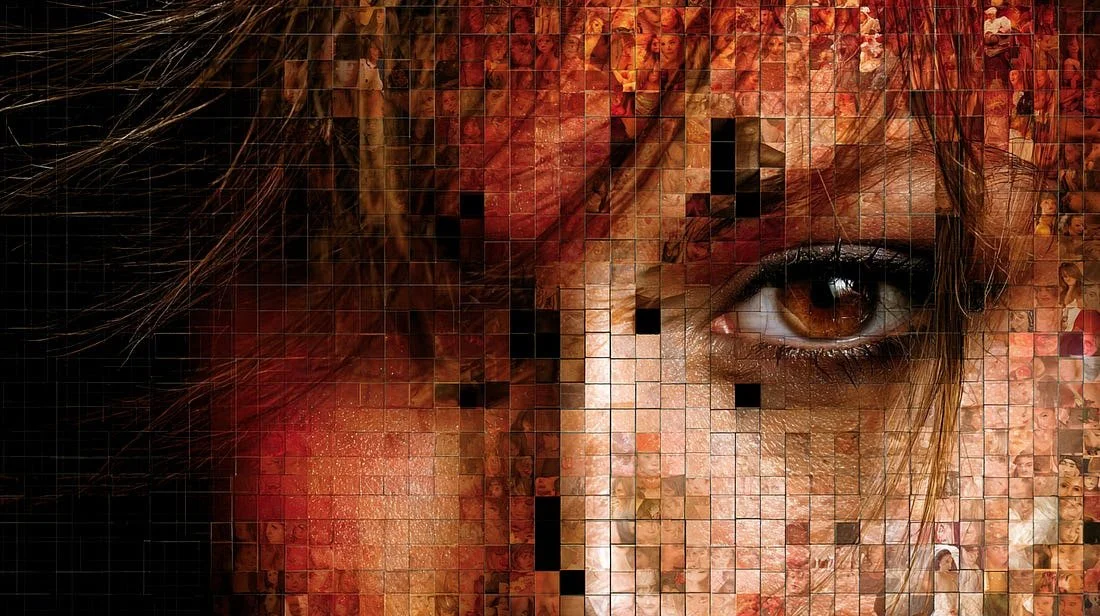
Unity or Pixelated Inclusion?
Last week, a woman described her last day at a prior retreat: even as she was still inside its beauty, her mind had already shifted into what she called her “city self” and was mentally halfway through her week at work, only half of her attention was still in the room, and she was already changing the mode and the mask. “I’m a completely different person than I was yesterday,” she said.
But why? Being the same, centered open person in the context of any task is available. Utterly relaxed and utterly alert and poised to act. Attention without tension. Alertness without bracing.
More importantly, in the exercise of living from oneness, notice how this kind of modal self-perception is still an internalized separation. The move toward wholeness and integration is to become aware that the “retreat self” and the “city self” are not two people taking turns. They are always there together. The only thing that moved was the light of her attention, swinging ahead of her into Monday before her body had even left the mountain. Think of a flashlight scanning a dark room. In any moment you see only what the beam touches. Move it, and there is something else. It was always there. You just weren’t looking at it.
Identity is a trickster. In an old move to understand itself, it splits, calling itself a mother some days, a sex kitten on others; dark some days, light on others; Hawaii mode/New York mode. It can feel like inclusion, naming every piece so none gets left out, but it’s separation even in unity, a pixelated kind of inclusion. Being all of it isn’t knowing you contain the mother and the kitten and switching between them. It’s knowing you are always, at once, undivided, with nothing ever absent and nothing ever arriving. Only the light of awareness moves, choosing (at your direction, your conscious directing of your own mind) what to illuminate.
You still have flavors of experience: the fierce one and the tender one stay beautifully distinct, the way grief and delight feel different in the chest. Differentiation is part of the delight of being human, but the separation softens.
That is what I want to build on today: How we allow the sense of separation to soften, in several specific places.
The Tyranny of Lineage
Lineage does the same thing at a larger scale.
When I speak of my own yogic lineages (for example, Mark Whitwell and Desikachar before him), I speak as though yoga passed from one nameable person to the next. Yet nearly all transmission moved in ways we will never know: wife to husband, parent to child, neighbor to neighbor, out loud. The ones who finally sat down and wrote things were documenting and curating, on the backs of countless creators, creatrixes and transmitters who came before. For most of human history, wisdom traveled orally from village to village among thousands of storytellers, healers, midwives and grandmothers whose names we will never know. Even the great lineage holders were held by a web of students, patrons and families who made their teaching possible.
The mind’s trick is to smooth a field into a line, a pattern simple enough to hold onto. Lineage can become a tyranny of the mind. It draws one bright line through time, from master to disciple to teacher, and leaves everything else in shadow. It privileges the visible transmission, the teachings someone wrote down, the names that survived the fires, but it’s not an accurate representation of how the emergent intelligence operates.
Living systems show us the actual mechanisms. Bacteria pass genes sideways to their neighbors. Mycelium links a forest underground. Songs migrate, and ideas arrive in many minds at once because the field is ripe. The philosophers Deleuze and Guattari called this the rhizome, a root system spreading in every direction from no single trunk. Lineage gives us the tree. Life gives us the rhizome.
Also, the written record itself is shaped by power. Which scriptures survived depended on invaders, fires, favorable rulers and colonial policy. The yogis who made it into the public story were largely the peaceful renunciants that colonial authorities found acceptable, while the warrior yogis and kingmakers were suppressed. A single line hides the weave, and it flatters whoever held the pen.
Many Indigenous traditions offer a wider map. Everything that came before you is your ancestor. Grandmother Moon, Grandfather Sun, the rocks and plants, the animals as relatives, all my relations. All of it conspired to create the conditions for your existence. You are the living edge of evolution, of your human line and of everything that has supported life.
Notice how this view of ancestry is already non-pixelated. It is a kinship mirror of the deepest teaching, that we all emerge through the one aperture of consciousness.
In this era, as guru culture and the hagiography of the great individual give way, this matters.
Everyone can be a blessing being, a transmitter. I honor my direct teachers with deep love, and I hold that love inside a larger knowing: every teacher is the fruit of the web and weft and weave.
And Yet, the Body We Inherit
And still, our ancestry is very real. Some of us carry a grandfather’s temper or his tenderness in our own nervous system. Our genes, and the ways our ancestors’ lives may have shaped how those genes express, live in our tissues. We are a closer imprint of our own grandparents than of a stranger. The faces of our ancestors look out through our faces. I experience these in myself in different flavors: identity as a story which can separate, and embodiment, which we inhabit as experience. Lineage as identity might look like: I come from a line of scholars, or kings, or chosen ones. This lineage is a story we claim, and it tends to rank. It sorts people into higher and lower, and it confuses inheritance with worth.
Lineage as embodied transmission might look like: I come from a line of hardworking peasant women who gave birth in the fields and went back to work. That strength lives in these hips and this resilience. This lineage is inhabited and felt.
Sometimes lineage as identity gets ahead of lineage as embodiment.! The children of the famous, the so-called nepo babies, inherit the name, the access and the stage. Sometimes they also carry the gift, and they flourish. Often they are handed a platform their own instrument was never shaped for, and the world feels the mismatch before they do. Family wealth can tell the same story. There’s an old saying, “shirtsleeves to shirtsleeves in three generations.” The first generation builds from grit and hunger, the second manages what was built, and the third, raised inside the inheritance with little of the original fire, often lets it slip away. Other cultures have their own versions: rice paddy to rice paddy, clogs to clogs.
Both reveal the same perversion. The story of the line gets passed down, while the embodied capacity that created it has to be grown anew in every life. Status can be inherited. Skill, fire and wisdom have to be lived.
The gifts that truly carry forward are the ones we embody, practice and make our own.
When the Line Becomes a Wall
The same frame that lets one family feel chosen lets one people feel chosen over another. My bloodline, my tribe, my nation, my faith: when identity is drawn as a line of descent, everyone outside the line becomes other. From there, it is a short step to fear, then to contempt, then to violence.
History shows us how literally this works. In Rwanda, Belgian colonial administrators fixed Hutu and Tutsi identities on official identity cards, hardening what had been a more fluid social distinction into an inherited category. Decades later, in 1994, those cards helped determine who was killed. A line on paper became a line of life and death.
We see quieter versions every day. Our feeds sort us into tribes and tell us the other side is the enemy. Each group polishes the story of its own lineage and its own wounds, and the stories harden into walls.
Every one of these divisions depends on forgetting the weave. When I feel how many hands made me, across every border and bloodline, it becomes much harder to hate the stranger. Their ancestors are in my food, my language, my songs and my genes. Their grandmothers and mine are tangled together further back than any of us can trace.
Recognizing the weave is a spiritual practice, and it is also the ground of peace.
What Travels Down the Line
We inherit stories too. Many of us were handed stories of limitation about who we could be and how far we could go. Some of those stories loosened their grip as we grew. Those inherited limits shaped more than our own reach. They shaped who we could recognize as a partner, and who we were able to love and make a family with, at the level of what we could express at the time. Who knows how far we might have gone without them?
Our children then inherit both fields, ours and their other parent’s. A child may receive our hard-won knowing that anything is possible. Or they may be animated more by the other side of the family, or come into their own greatness through some entirely different strand of the web of life, a teacher or a landscape or a calling.
The line is real, and YET: the weave is always larger than the line. The children’s father collapsed, and the arms of the community stepped in, in very specific people, a network of coaches, directors, neighbors and uncles.
So part of the work to emergence is to look honestly at what we carry. Which stories of limitation are still alive in me? Which ones am I ready to release, so they stop traveling downstream?
The Gift and Burden of Choice
I am looking out over the farm here in Kalapana, and the everything is in dynamic ease, intensely creative. The palms reach for the light, the Ulu is fruiting, the birds are singing, the waves are carving new shoreline with every pulse. Everything here pours itself fully into its own expression. Creation, with ease. No wondering who they are and why they exist, just being, expressing, in kinship and relatedness.
Humans are the great mix-and-match creatures of the planet. We can become almost anything, and all that choice is both our genius and our stress. When we lose touch with the instrument we were given and the soul that lives in it, we try on identity after identity, chasing what we think we should be, and our creative energy scatters.
Authenticity and wholeness offer something else: when the inner and the outer match, the soul and the instrument recognize each other, and that energy comes home. Our choices become acts of creation, arising from who we truly are. Like the palm and the wave, we pour ourselves fully into our own expression, and from there we can create without limit.
The Continuity Fantasy
Even our longing for our children to inherit carries two currents. One is pure generosity. We want them to have a base to build on, an easier start than we had. The other is quieter: a hope that some part of us survives this life. The family name, the house, the fortune and the line all become ways of keeping our own small light burning after we are gone.
This is pixelated thinking at its most tender. When I experience myself as one separate piece, death means my piece goes dark forever, so I may try to keep it lit through my descendants. That fear warps how we hold death and dying, and it warps what we pass down.
When I recognize myself as the weave, death looks different. The light of awareness moves, the way a flashlight moves across a room, and the room remains.
Kahlil Gibran said it a century ago: our children are “the sons and daughters of Life’s longing for itself. They come through you but not from you.”
My children become free to be fully themselves, carrying what serves them and releasing the rest. What I give becomes an offering into the great fabric, for whoever needs it. The same is true of everything we create. When I finished Bending the Bow, I wrote in the acknowledgments: “This work comes through me but not from me. It wanted itself.”
Prioritizing Skills of Relating and Kinship
We had a concert here last weekend, and the lead singer held the front of the room. Around him were five other musicians. Behind them were their spouses, who made sure they could get there, and their babies in arms. Someone cooked the food, someone plugged in the speakers, someone held the door and someone parked the cars. Someone decorated the space, and some came early to clean it. Someone hauled all the backjacks. It became “the singer’s show”, yet it was the work of all.
Iconization puts the gift of change in the hands of a special few, the charismatic frontman. Teams, pods and the web of relationship are something every one of us can build and belong to.
When I actually feel what it would mean to live from the field instead of the line, the first thing that rises is anxiety. Interdependent all the time, in kinship with everything, I have to be good at being related to. I have to let someone help me without flinching. Seeing that we never could do it alone quickly undoes my old training to hold myself up and do it all alone.
The skill worth having stops being doing or producing alone. It becomes kinship, receiving in equal measure with giving. The guru becomes the sangha. It looks like noticing the five musicians, thanking all helpers by name, letting someone honor you instead of waving it off to prove your humility.
No one does it alone. It has always been birthing out of a field, and it always will.
From that, something new can emerge.
Into the Weave
Put together, it looks like this. Blood is a real thread, often one of the brightest in the fabric of who we are. It is one thread among many. Woven with it are the teachers who raised us in spirit, the friend who knew us better than our siblings, the land that fed us, the moon that pulled the tides of every woman before us.
My sister by blood and my sister by connection are equally family. Placing blood above all the rest is partly an invention of ownership and inheritance. Trace any family tree far enough back and it tangles into a web.
I carry my father’s music in my body. I am partly a continuation of that narrower line, and I am also all of it. I can honor the faces of my ancestors in my mirror and the strength of the women who came before me, and know that my line makes me neither more nor less than anyone. I can receive what my body carries as a sacred instrument, and know myself woven into the seamless fabric of everything that ever lived.
In Vedanta and in Tantra, everything emerges from the same field. All of it is one undivided consciousness, and seeing that is an aperture to the divine. Yet we keep living as though we were separate.
Some of our ideas help us feel ourselves embedded in the web of life, intertwined and deeply dependent on one another. Other ideas quietly reinforce the separation: the way we hold lineage and ancestry, and the way we hold our own identity, sometimes this and sometimes that.
Those ideas do more than simplify reality to make it easier to grasp. They point us in a false direction about how reality is made, how we are related, and what the nature of our kinship is. When identity softens into being one with the field, there is so much less suffering in the self, and so much less ground for division between us.
I notice something in myself as this takes root. I need less and less to be seen by the world. I want less feedback and less notice. In its place grows a wonder at how many hands it takes to do anything.
The hands that built the house I live in and planted the trees around it, the hands that grew my morning coffee, the hands of every grandmother and stranger who made me possible.
Living from this also makes me realize how many infinite possibilities are in creation, how anything is possible, how we weave people and the rest of nature into whatever frame we want, through frequency and conscious intent.
The same move that sorts a self into mother or sex kitten, that sorts a transmission into legitimate or borrowed, that sorts a child’s inheritance into yours or not yours, is the move that sorts a people into us or them. I love naming my teachers, I love the shorthand of being able to say where I came from, and that same impulse, turned outward and handed a flag, is the thing that burns villages.
All of it is in us. We are everything, all at once, and that is an ambient beauty.
With love from Hawai’i,
Christine Marie, 11/18/26
This is about a 5 minute video snippet on today’s topic (lineage and field emergence) from last Sunday’s community call (sunrise at Sundari!).

Watch the video on substack
A Note on the pods:
In 2017 I began writing my book Bending the Bow: How Great Movements Start and Grow, published in 2019, about the great social justice movements across time: race, gender, sexuality, age, religion and more. My first pass focused on the charismatic individuals whose names filled the press. My question was how they sustained themselves when their houses were burned, their children threatened and their fortunes taken.
As I researched Martin Luther King Jr., a fuller picture emerged. So many people surrounded him, and the civil rights archives are so rich, that we dove into the network itself, hundreds of pages of it. King’s charisma and vision were a unique gift. And the movement was distributed and group-centered. King was never a lone hero. Ella Baker, a member of King’s inner circle, said it beautifully: “The movement made Martin rather than Martin making the movement. This is not a discredit to him. This is, to me, as it should be.” In her eyes, a great cause wells up from the bottom and draws its leaders in.
When I mapped the networks around each great changemaker, the same pattern appeared. A movement’s inner circle is usually a pod of five to eight people, each filling an archetypal role: the Inspiration, the Guardian, the Blood Bond, the Strategist, the Organizer, the Ally, the Resourcer, the Amplifier and the Moderator The common myth of the Power of One masks the reality, which is the Power of the Pod.
Presave Wake Down on Spotify

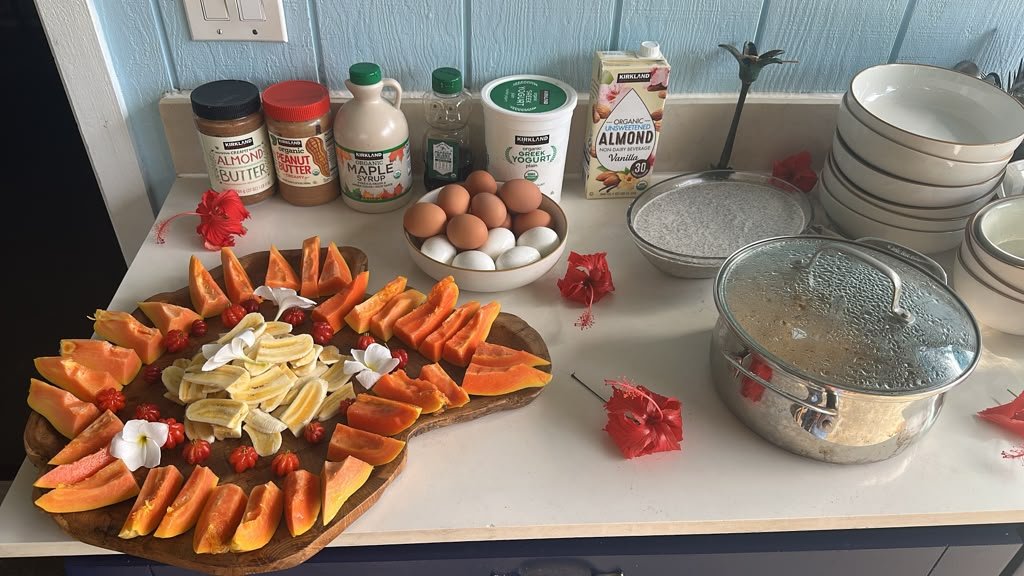
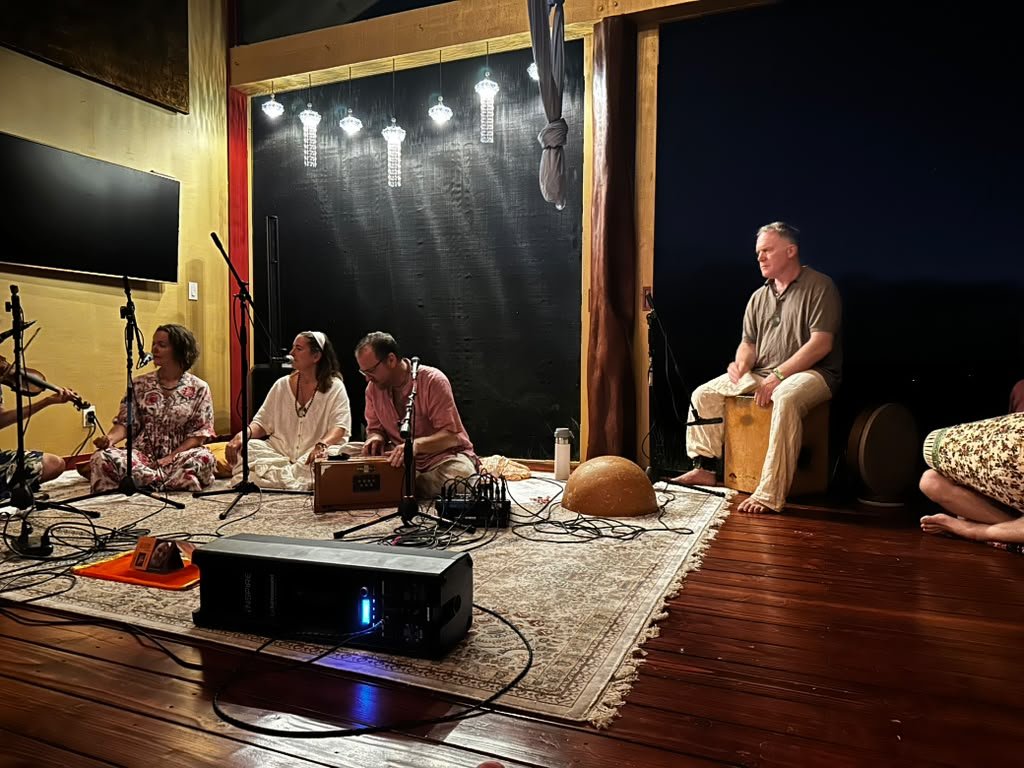
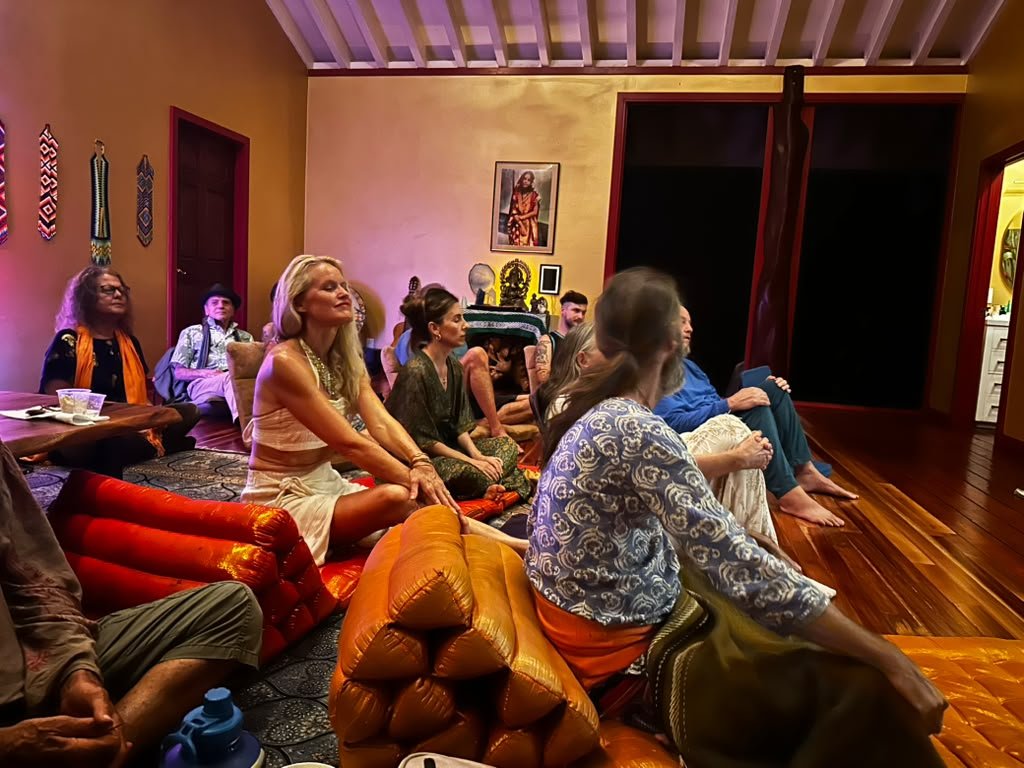
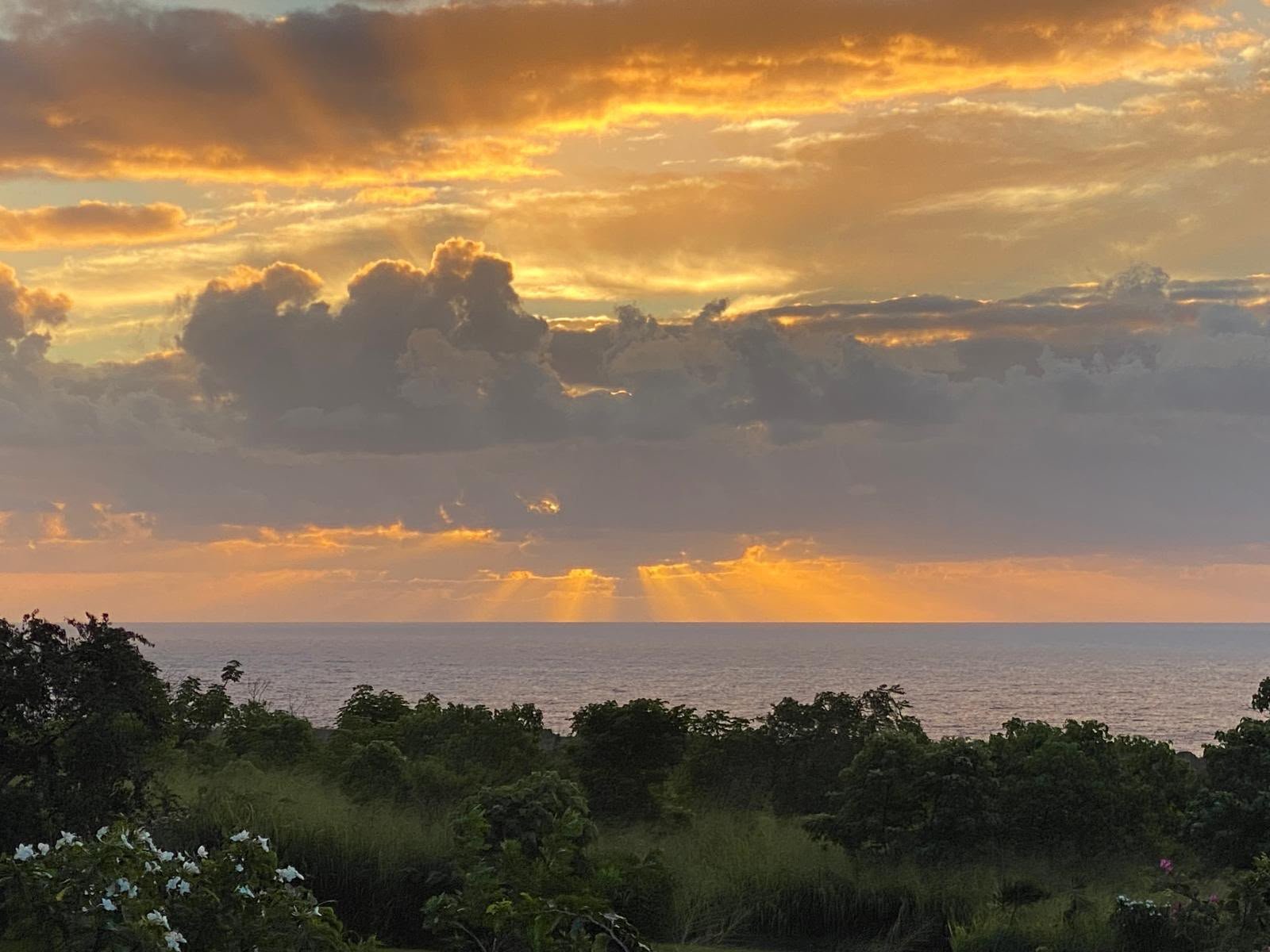
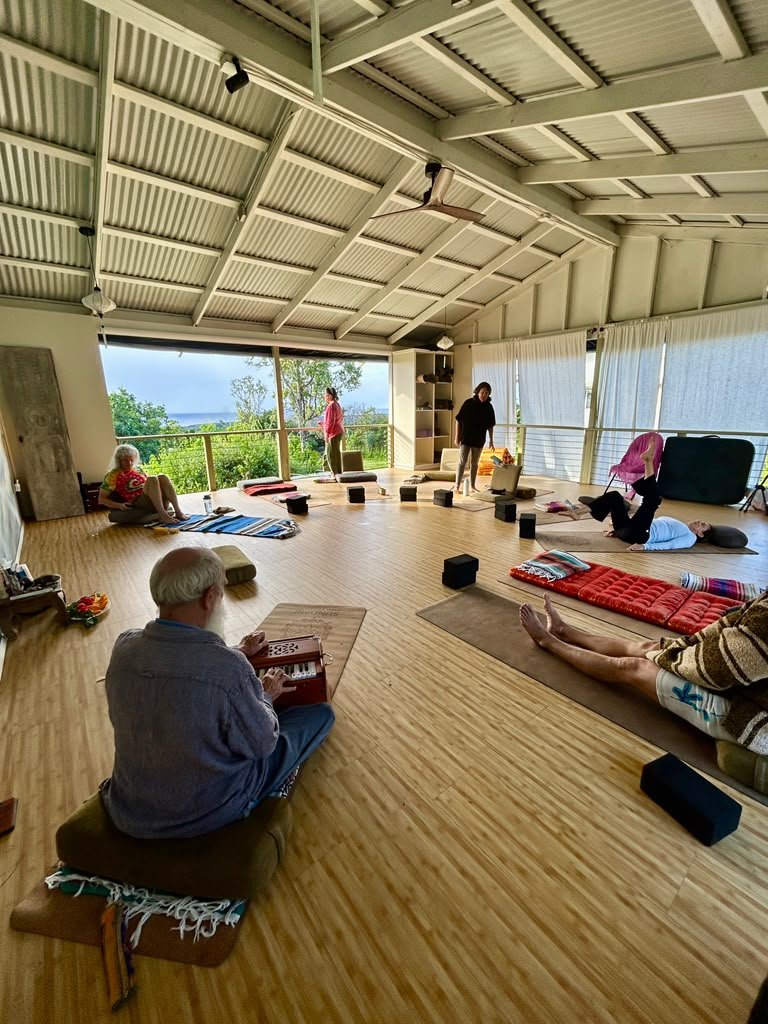
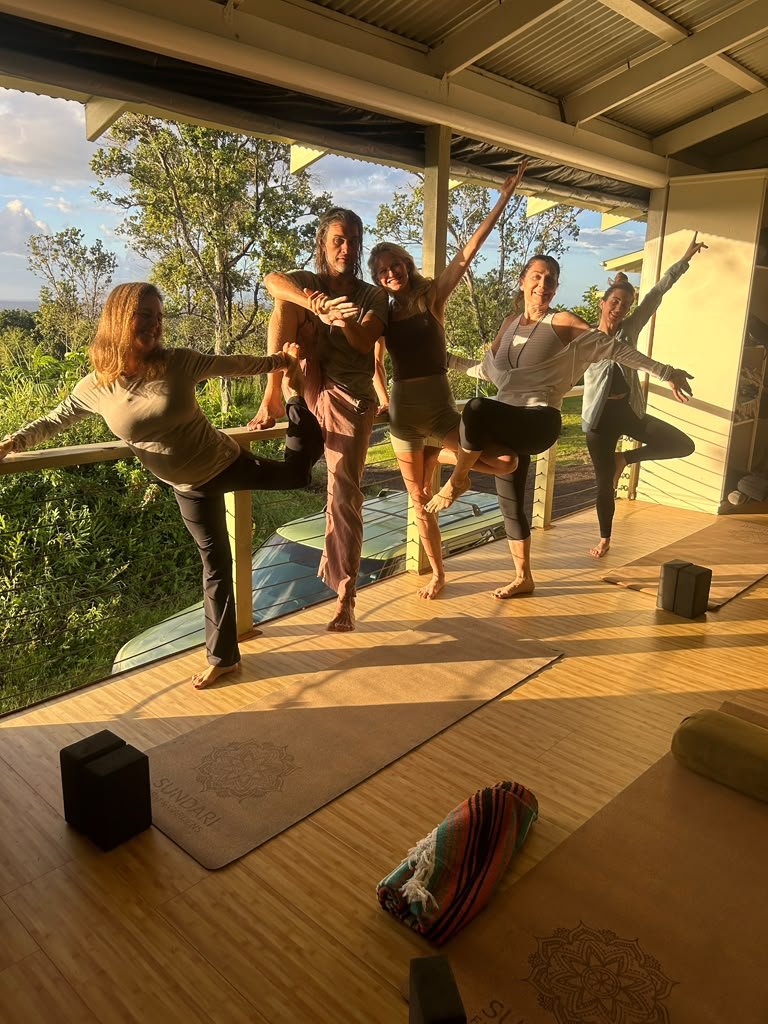
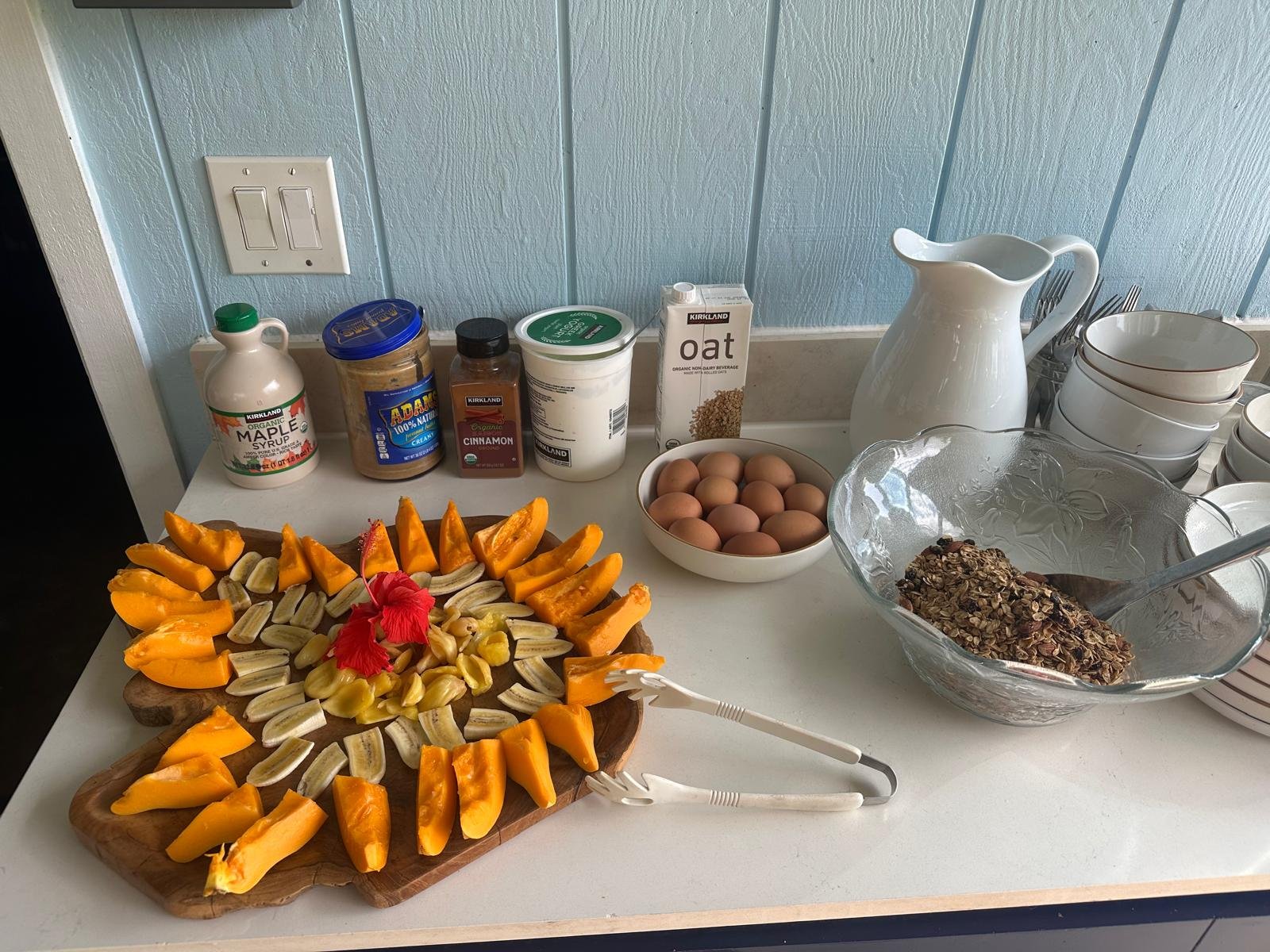
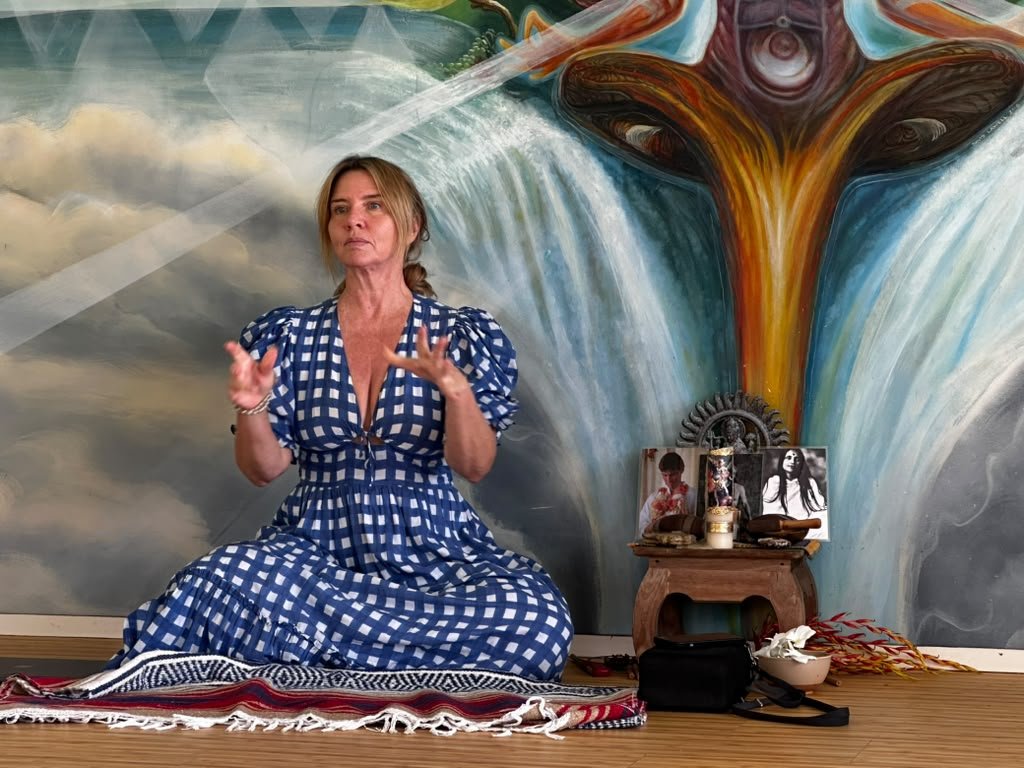
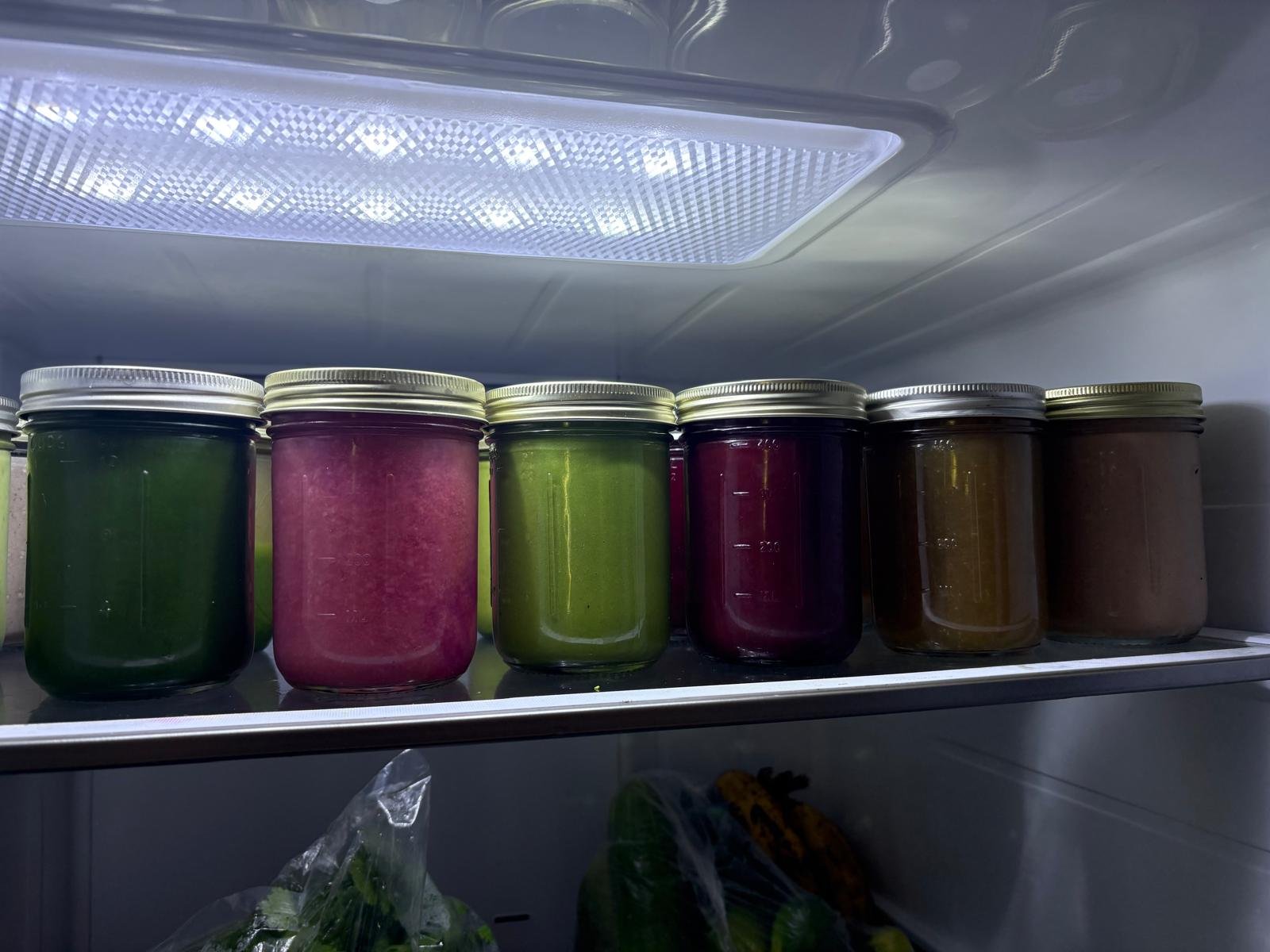
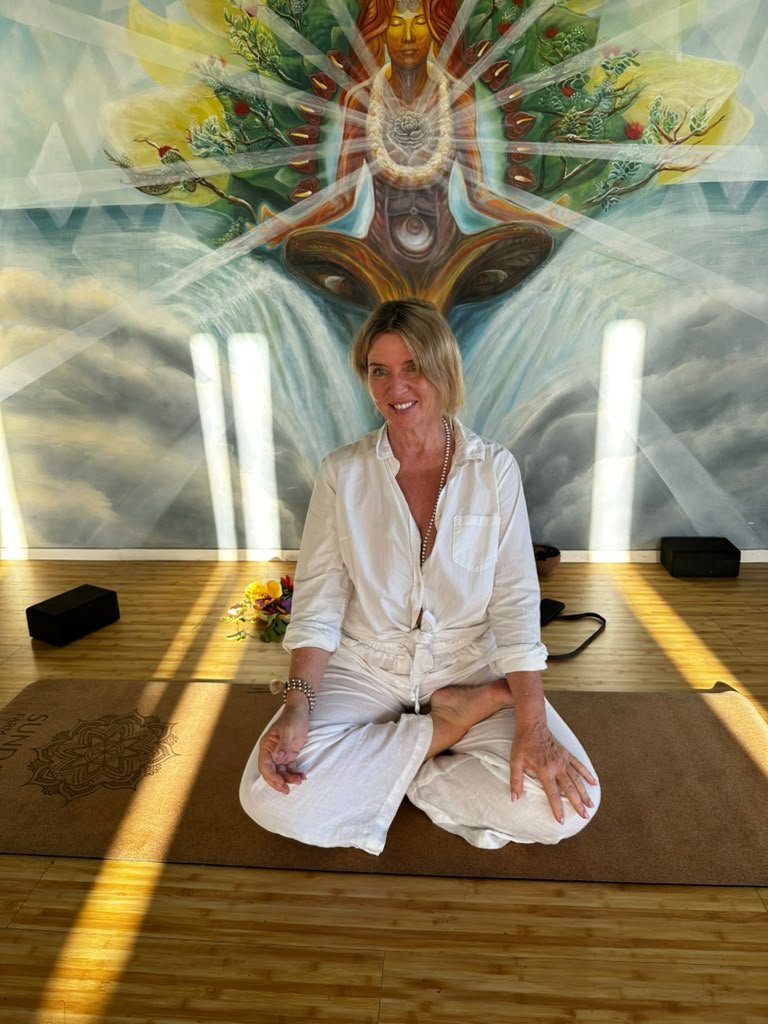
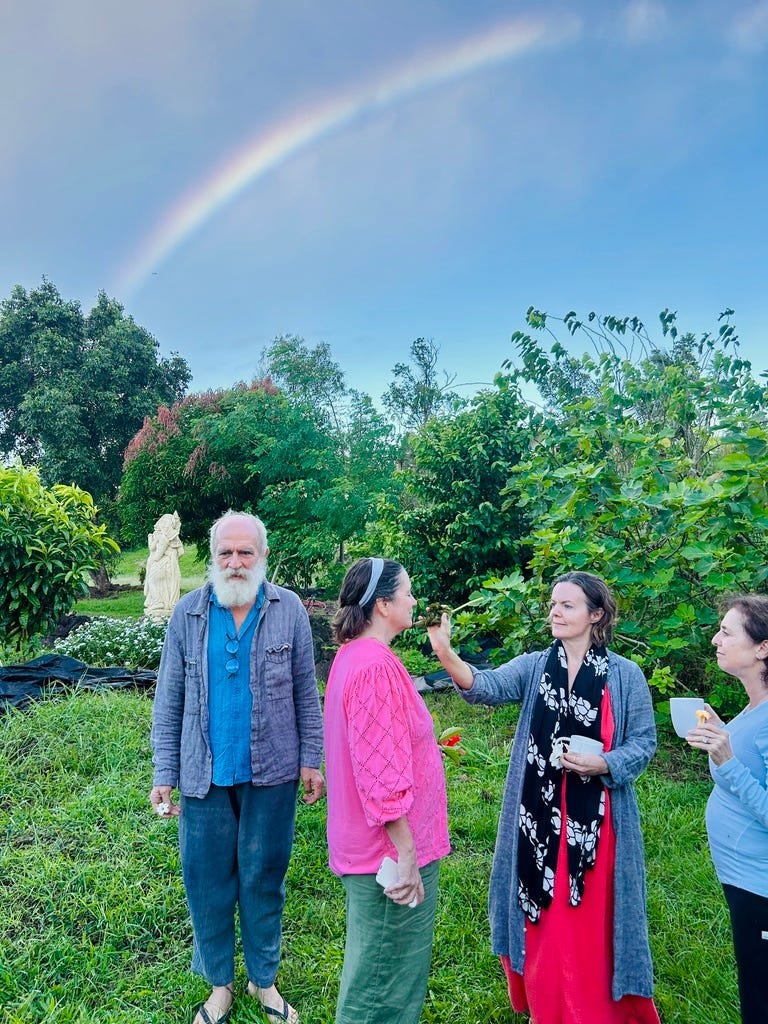
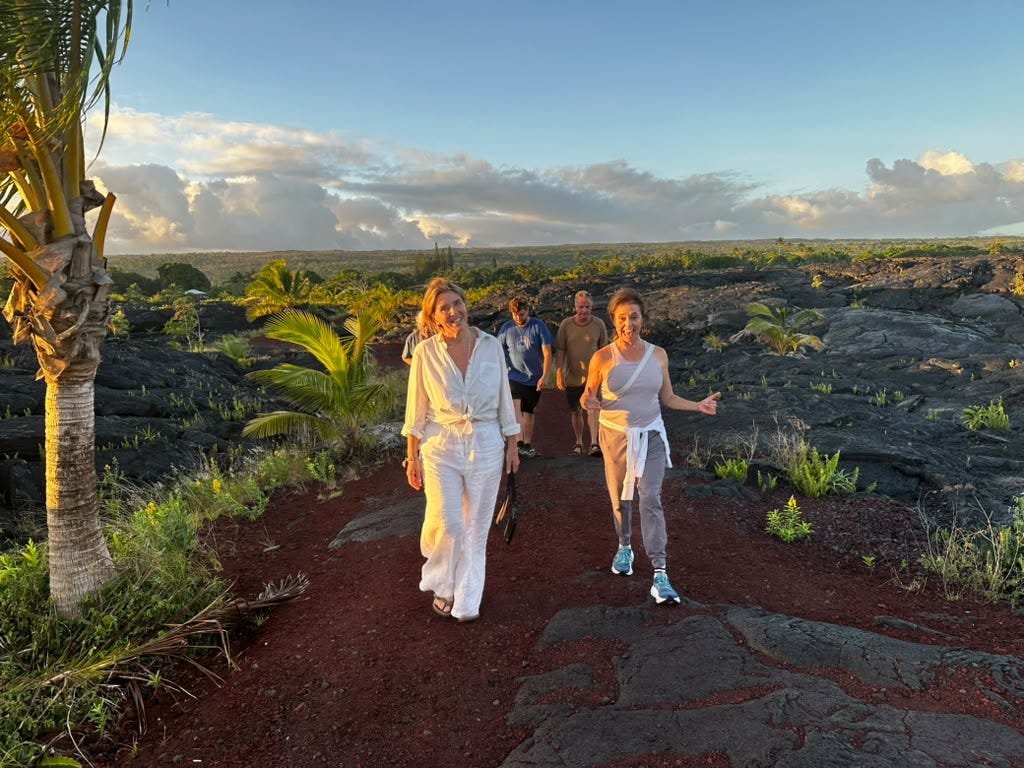
Come visit us in Hawai'i in 2027. Daily Yoga, Juicing, and Deep Nature. Immersion November 2026 photos.
