
The Body Was the Vision
A Somatic Lineage of the Ecstatic Feminine Mystics
There is a lineage hiding in plain sight inside Christian history: women whose experience of the divine arrived as sensation. As heat, waves, contraction, arching, melting, sweetness beyond containment. They described union in the only language adequate to it, which is the language of the body in ecstasy. For centuries this has been read as metaphor, pathologized as hysteria, or politely averted from. Read plainly, it is something else: a somatic mysticism, a Western sister-current to what the Śaiva Tantric traditions never split off. Shakti is alive in every cell, the body as the perceptual instrument of the divine.
Every woman in this lineage faced the same question one of our practitioners named this summer: where does this get to be spoken? Some found scribes. Some found communities. Some were silenced, and some were burned.
The Root Text: The Song of Songs
Before the women, the permission slip. The Song of Songs — frankly erotic love poetry sitting in the middle of the canon — became, through Bernard of Clairvaux's eighty-six sermons on it (1135–1153), the legitimate grammar of Christian mysticism: the soul as bride, God as bridegroom, union as the kiss. Bernard kept it allegorical. The women who came after walked through the door he opened with their actual bodies.
Read: Song of Songs (any translation; the Hebrew is unembarrassed). Bernard's Sermons on the Song of Songs — public domain at Christian Classics Ethereal Library.
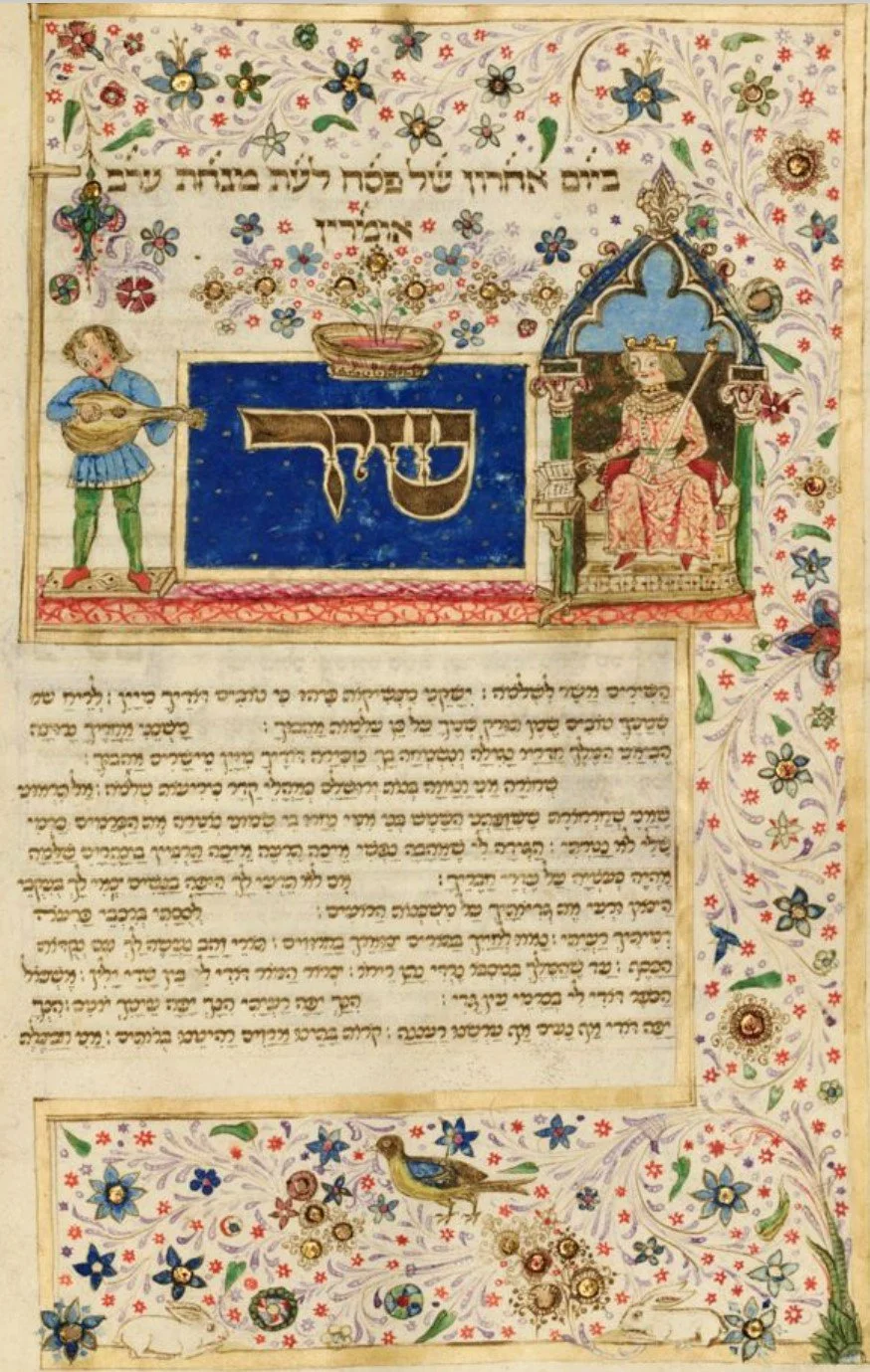
Song of Songs illuminations appear throughout medieval psalters
Hildegard of Bingen (1098–1179)
The physiology of viriditas
Benedictine abbess, composer, physician, visionary. And the author of what is likely the first description of female orgasm written by a woman. In her medical work Causae et Curae, Hildegard describes a woman's pleasure as a heat and delight that gathers in the womb, plainly and without shame. It was a physician's account from inside the experience. Her whole cosmology runs on viriditas: the moist, greening, generative life-force saturating all things. This is Shakti in a Benedictine habit. Her energy that is simultaneously botanical, erotic, and divine.
Her visions came with light and full-body overwhelm; she "art-directed" the illuminations of Scivias to match what she saw, including the cosmic egg — the universe itself rendered as an ovoid, layered, fiery womb-form.
"I am the fiery life of the essence of divinity; I am aflame beyond the beauty of the meadows." — Liber Divinorum Operum
Somatic signature: heat, greening, radiance; the visionary state as full-sensory flooding.
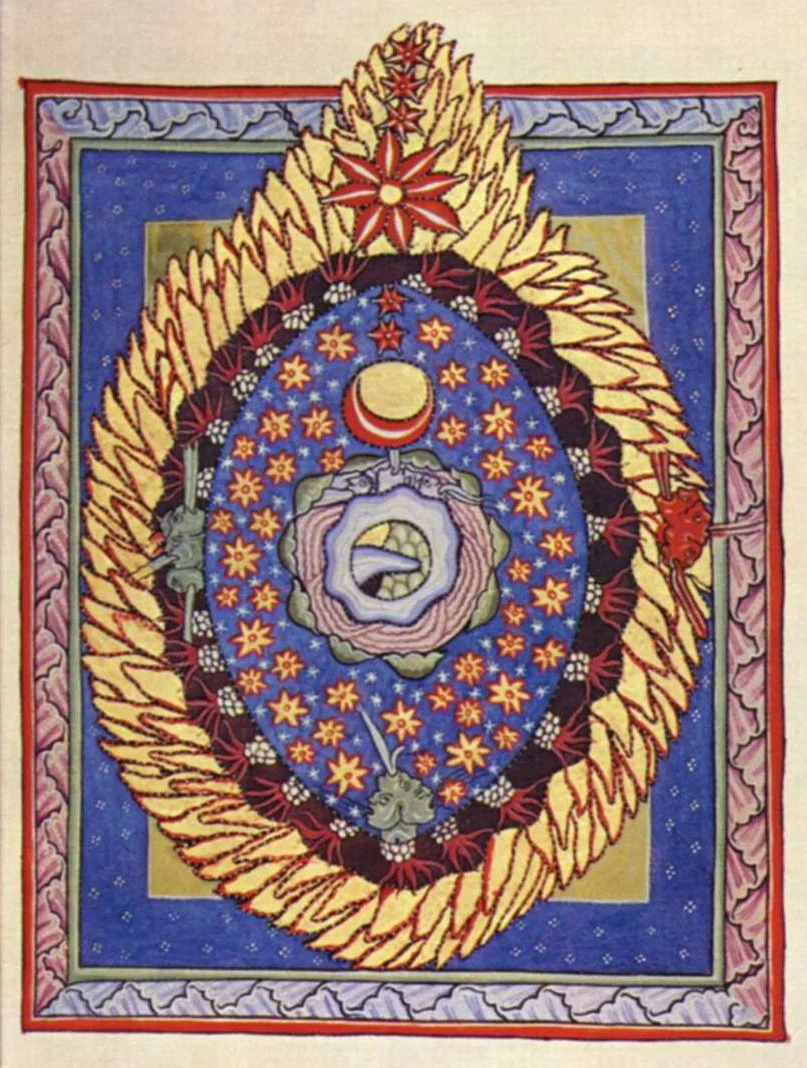
The Universe (Cosmic Egg), Scivias illumination, c. 1151–65
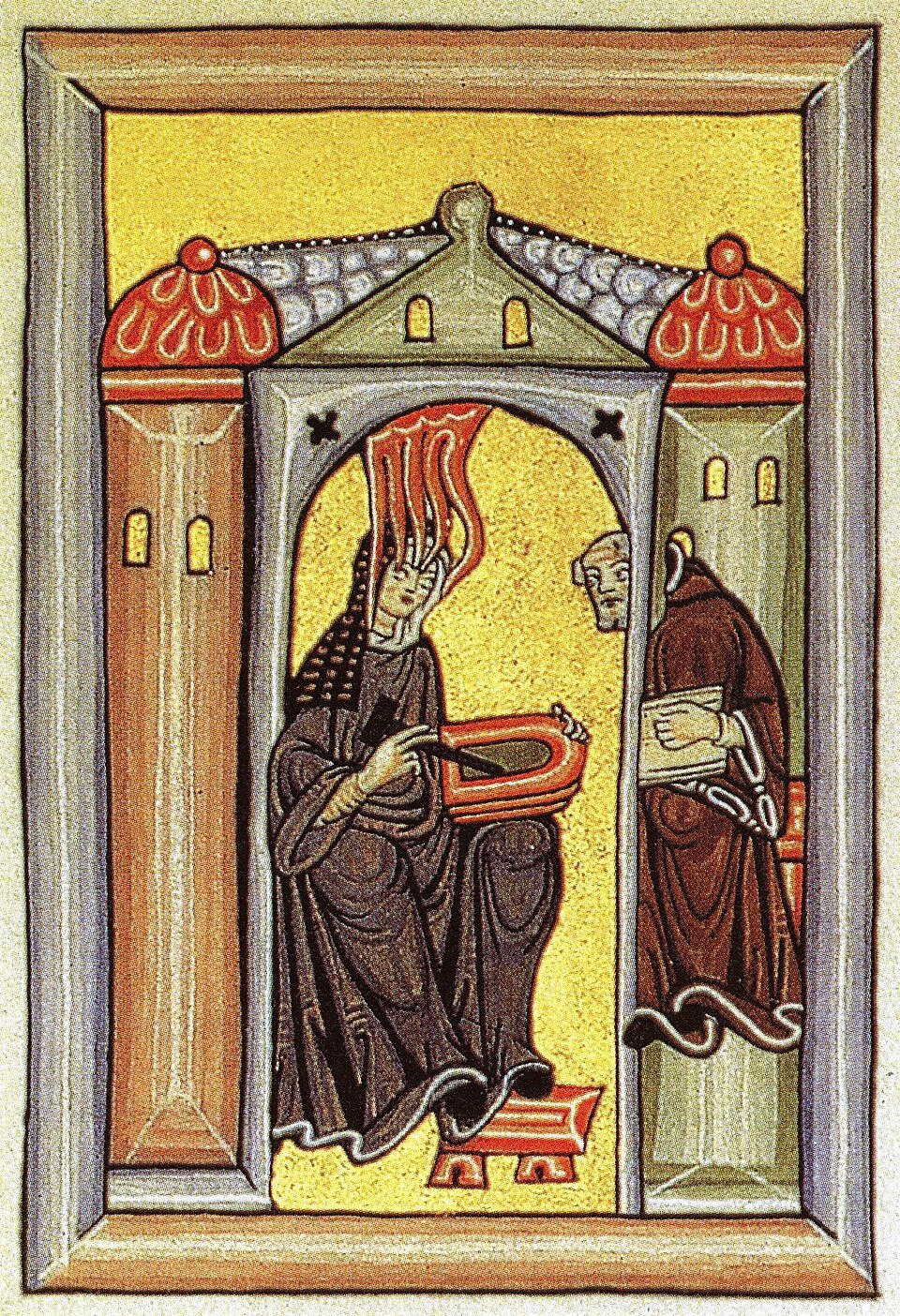
Hildegard receiving a vision and dictating to her scribe Volmar — the famous frontispiece. Hildegard sits in the corner receiving the vision
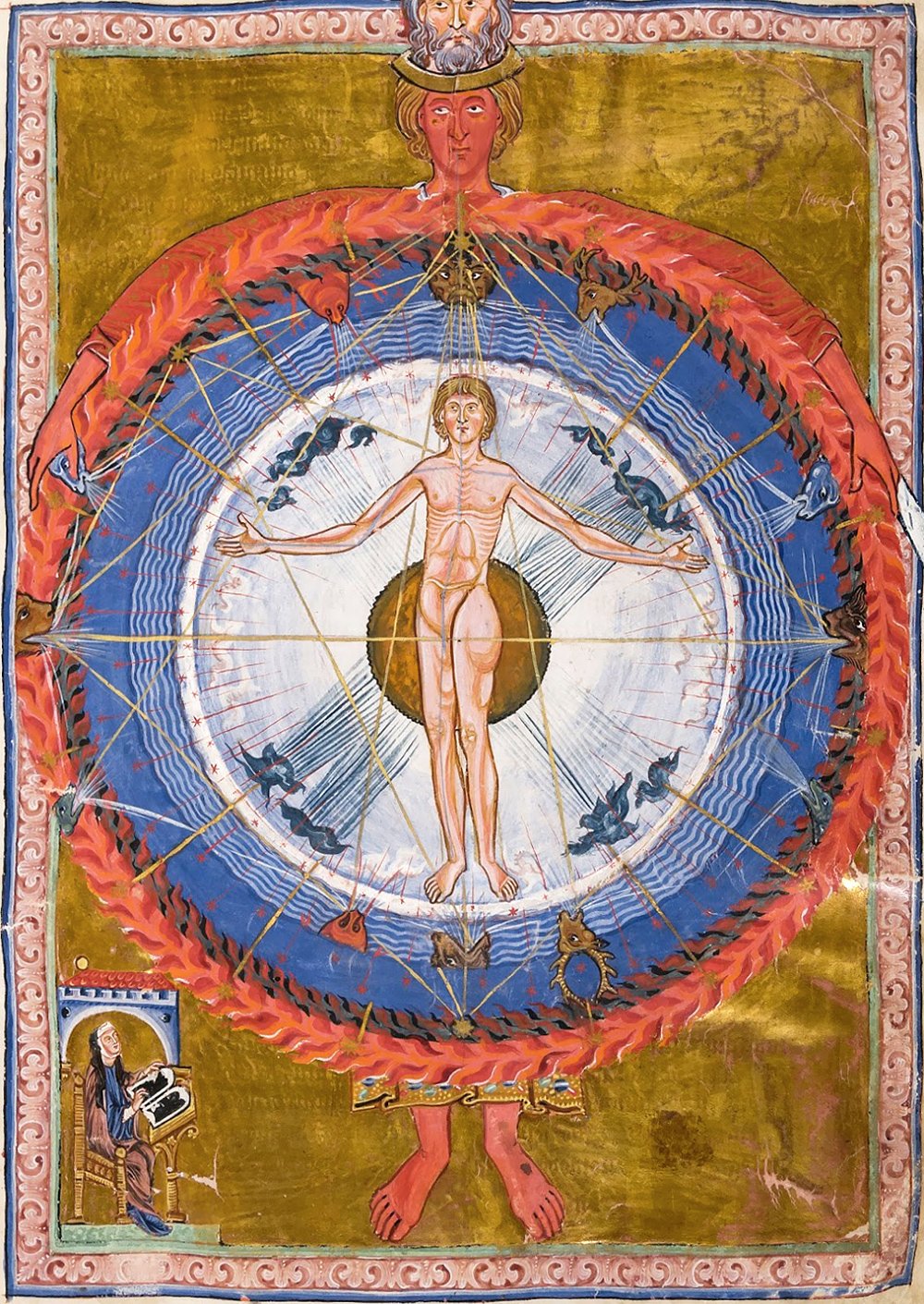
Universal Man, Liber Divinorum Operum, Lucca MS 1942
Read: Scivias (Paulist Press, Classics of Western Spirituality); Causae et Curae excerpts in Barbara Newman's Sister of Wisdom.
Mechthild of Magdeburg (c. 1207–1282)
The flowing light, the bridal bed
MoM was a beguine, a laywoman in community, unenclosed, unvowed. She wrote The Flowing Light of the Godhead over thirty years, the first mystical text in German rather than Latin. Her register is bridal and unapologetically bodily: God and the soul as lovers, the soul commanded to come to the bridal chamber naked of shame. Everything in Mechthild pours, flows, melt… light, honey, liquid fire. (She could be describing our waterfall-of-honey practice from the opening of every session.)
Her criticism of corrupt clergy and her erotic theology drew calls to burn her writings. Old, blind, and hounded, she finished her book sheltered by the Cistercian nuns at Helfta.
"Lord, you are my lover, my longing, my flowing stream, my sun, and I am your reflection." — The Flowing Light
Somatic signature: flowing, pouring, melting; love as liquid; the dance.
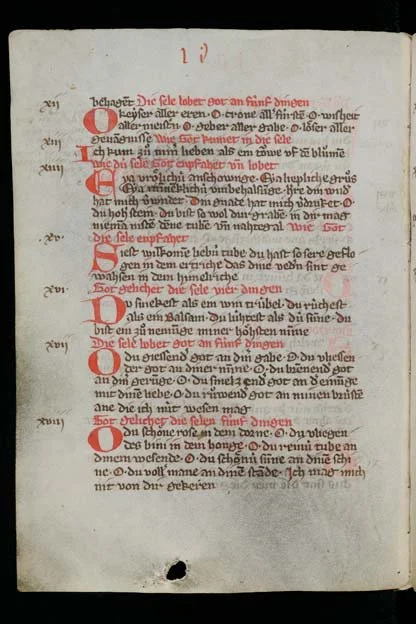
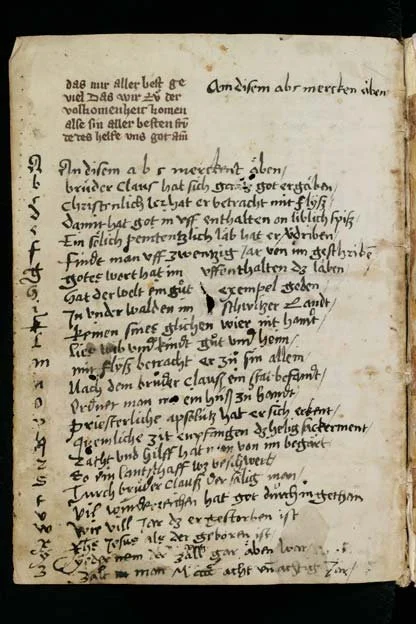
The Einsiedeln manuscript (Codex 277)
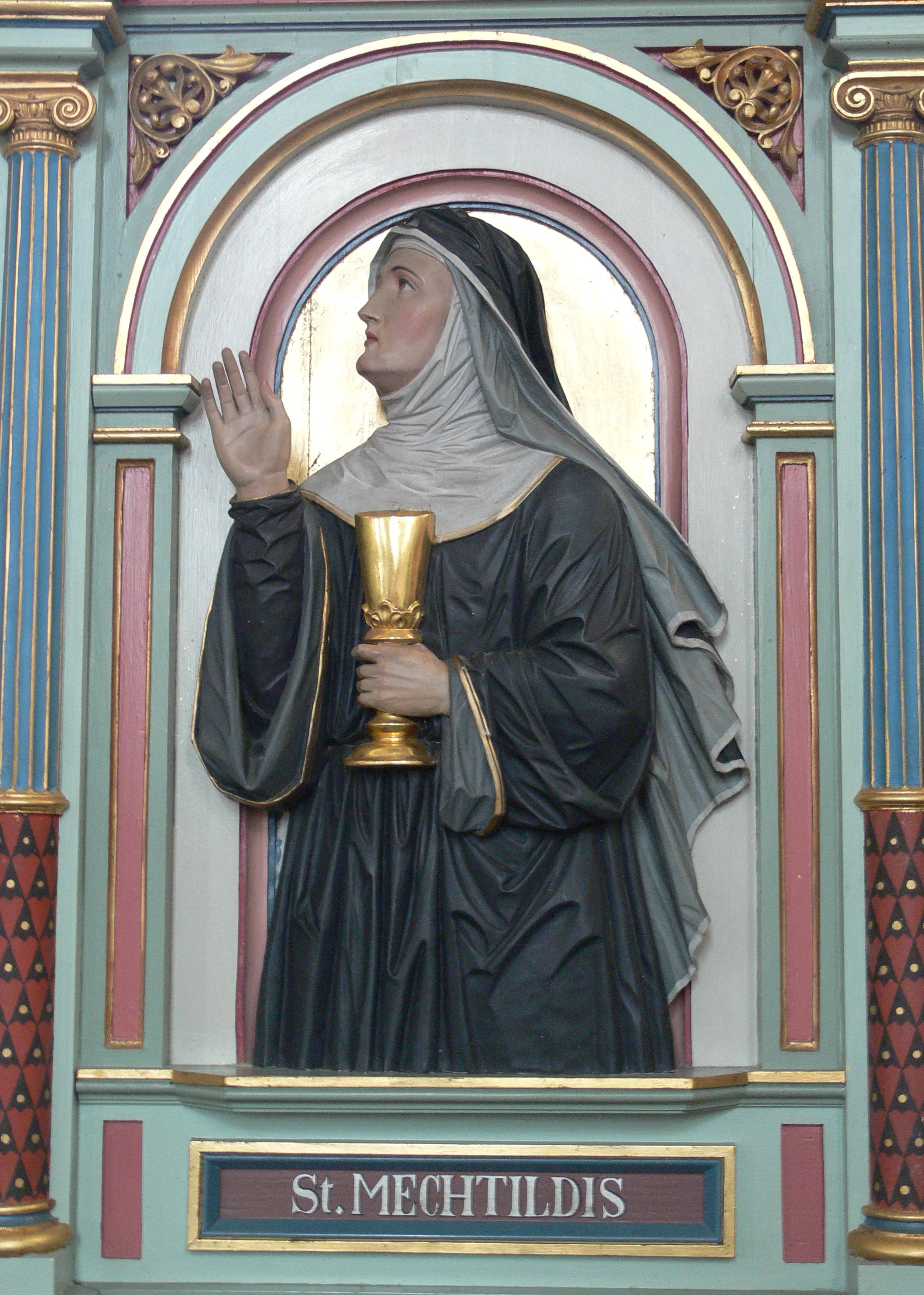
Mechthild of Magdeburg, No contemporary portrait exists; later devotional images at Mechthild's Wikipedia page
Read: Lucy Menzies' 1953 translation, free at the Internet Archive; Frank Tobin's fuller Paulist Press translation (1998).
Hadewijch of Brabant (13th century)
Minne: love as a force that takes the body
Beguine, poet, teacher of other beguines, writing in Middle Dutch. Her word for the whole path is minne: Love as an overwhelming power that assaults, wounds, maddens, and devours. Her Vision 7 is the landmark somatic text of the Middle Ages: at the Eucharist, Christ comes to her in the form of a man, embraces her, and she experiences union felt fully throughout her body — after which the felt distinction between them dissolves entirely. She describes her heart and veins trembling with desire before the union; she is explicit that satisfaction came in the body, humanity to humanity, before passing beyond form.
The beguines matter enormously in this lineage precisely because they were laywomen: no cloister, no vows, holding ecstatic experience while running hospitals, weaving cloth, teaching, doing ordinary working life as the container for extraordinary states.
"Love's maddening power leaves nothing standing." — after Hadewijch's Poems in Stanzas (paraphrase; her recurring theme of orewoet, the madness/fury of love)
Somatic signature: trembling, desire in heart and veins, full-body union, the "fury" (orewoet) of love.
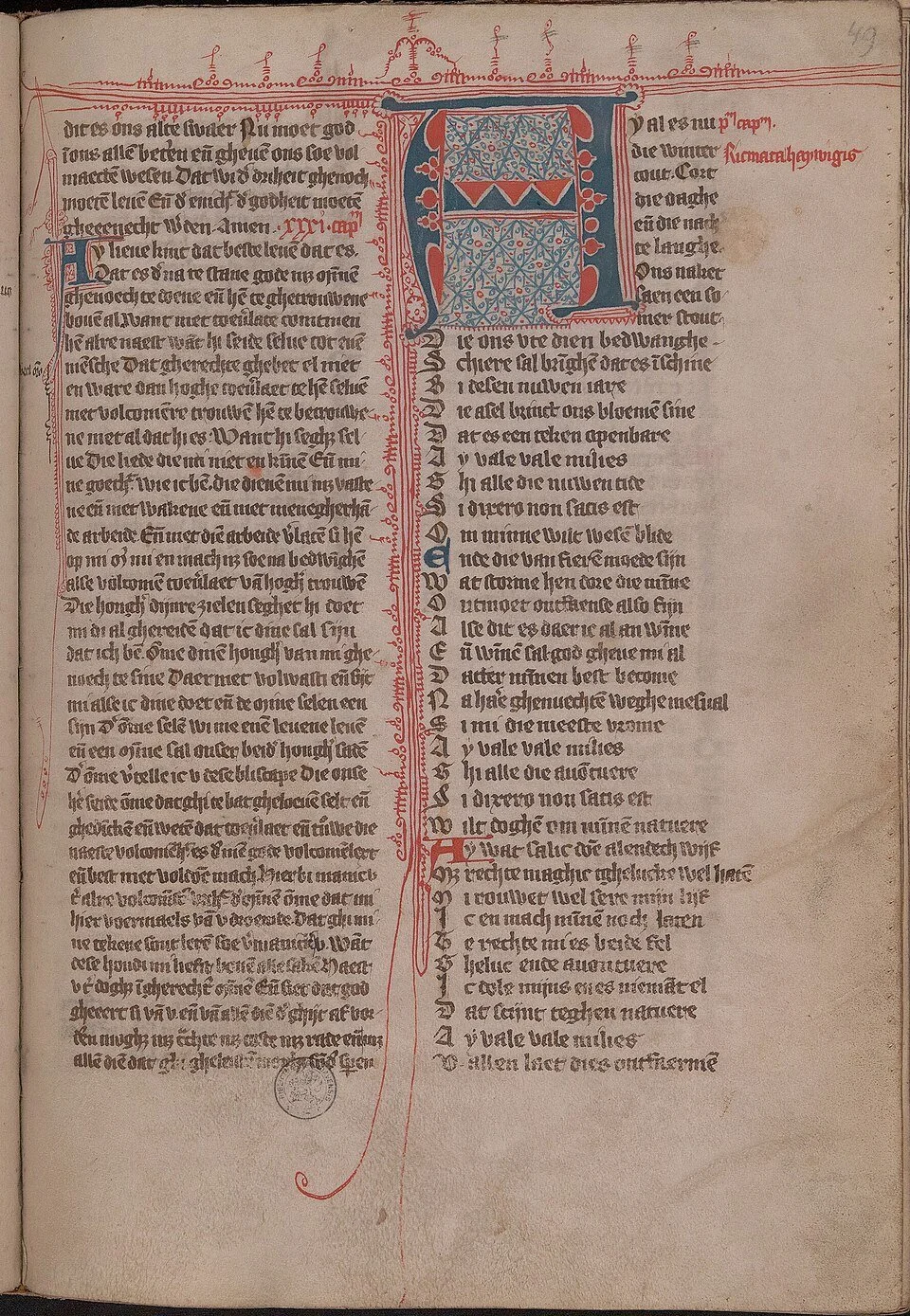
Hadewijch manuscript pages (Brussels, Royal Library MSS 2879-2880)
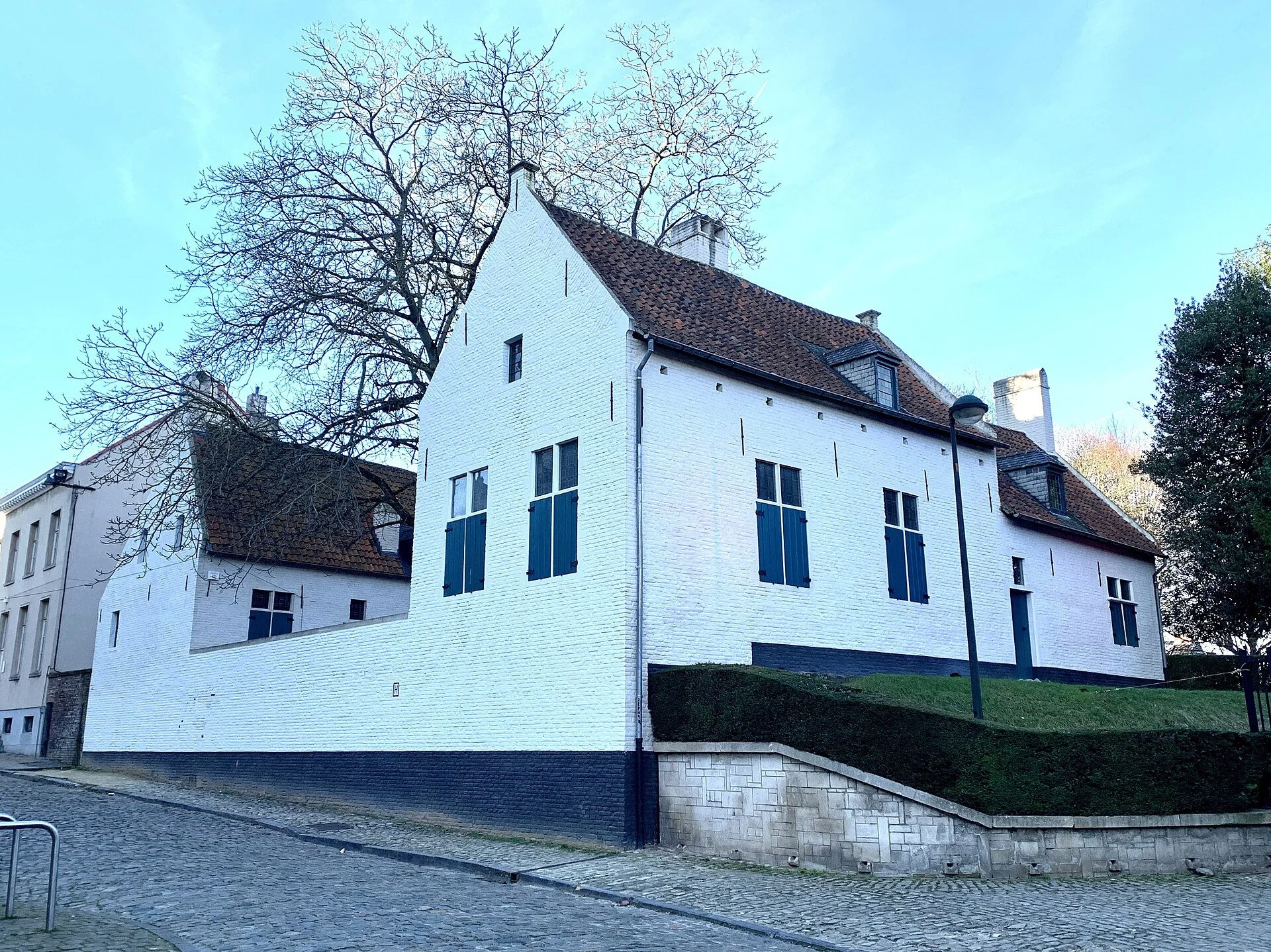
For beguine life: the surviving beguinages of Flanders, Anderlecht Beguinage, in Brugges, UNESCO Flemish Béguinages
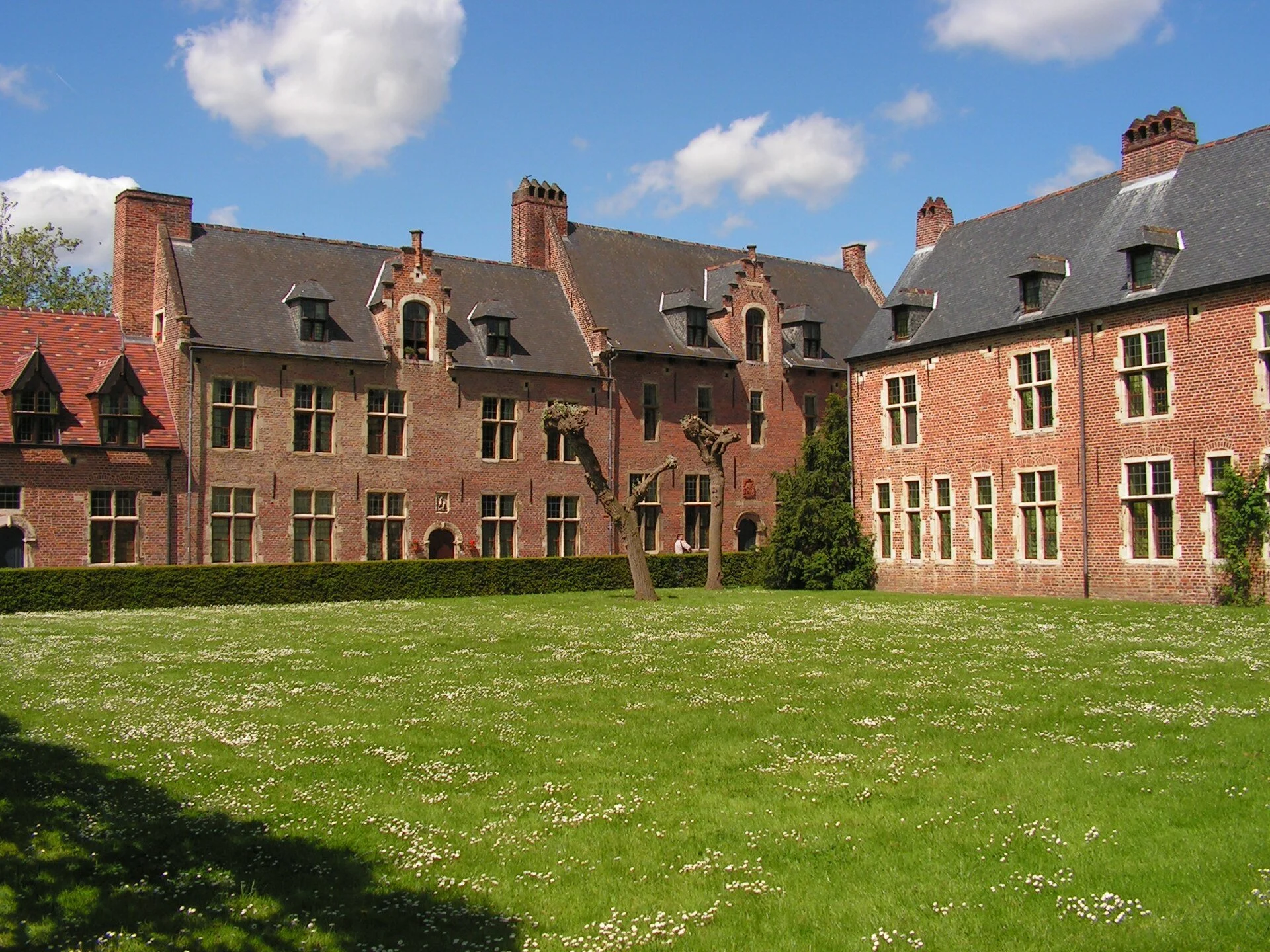
Leuven, Groot, Begijnhof
Read:Hadewijch: The Complete Works, trans. Mother Columba Hart (Paulist Press) — Vision 7 and the Letters.
Beatrice of Nazareth (c. 1200–1268)
The body that cannot contain the current
Cistercian prioress in Brabant, author of The Seven Manners of Loving ( the earliest surviving prose essay in Dutch). Her sixth and seventh manners contain the most physiologically explicit description of ecstatic overwhelm in the entire medieval corpus: love rages in her so violently that she feels her veins bursting open, her blood boiling, the marrow of her bones withering, her heart consumed — the body simply unable to contain the intensity of what is moving through it.
Read alongside modern kundalini accounts, this is unmistakable: not metaphor, but the report of an energy event — the same waves, heat, and involuntary movement that practitioners describe today, in a thirteenth-century Cistercian vocabulary.
She felt love "raging within her" until the body itself seemed to break open — veins, blood, marrow. — Seven Manners, sixth manner (paraphrase)
Somatic signature: boiling blood, bursting veins, consuming heat — the overwhelm of a current exceeding the vessel. (Her prescription, notably, was capacity-building: the vessel learns to hold more. Containment.)
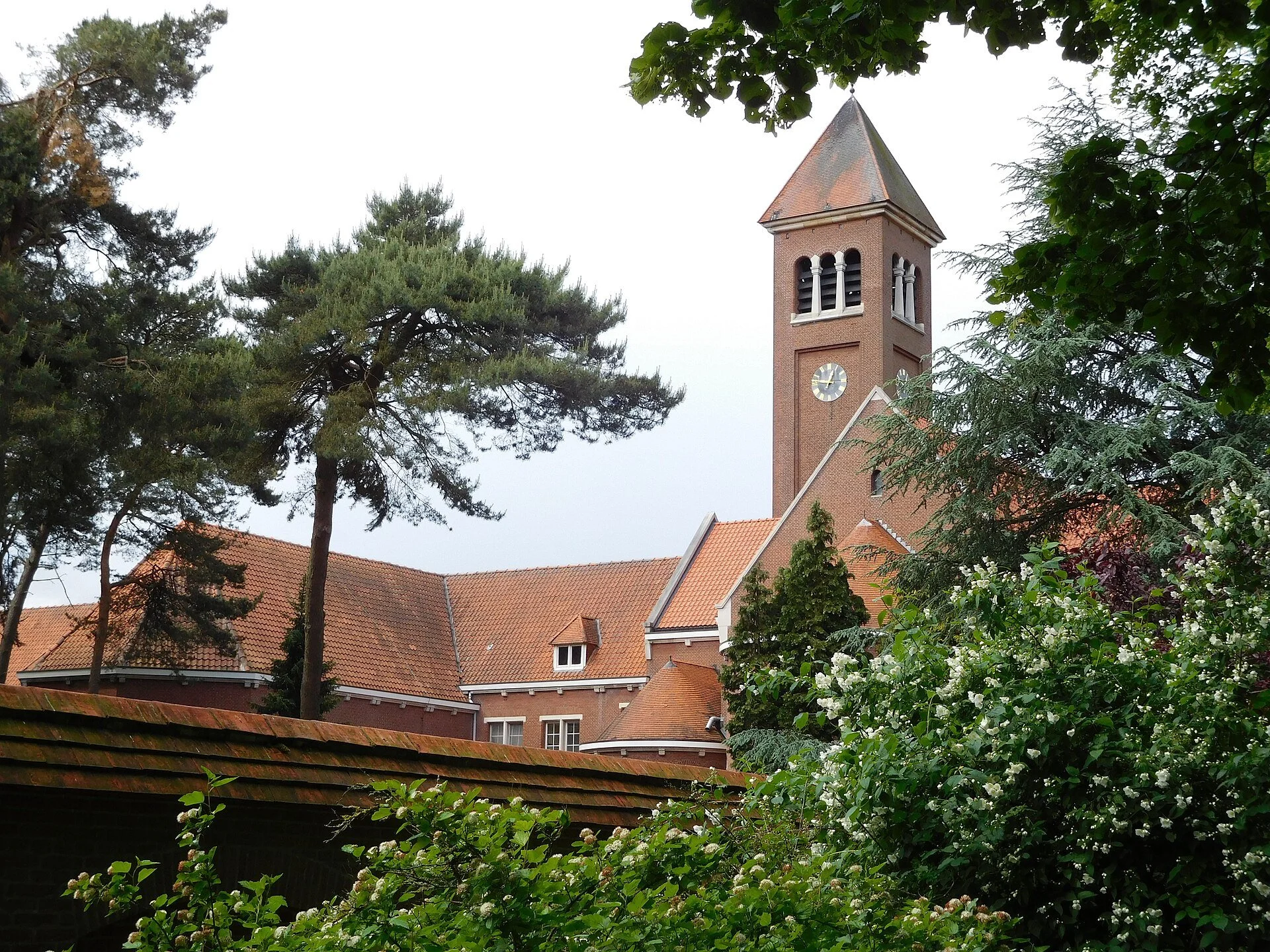
The present-day Abbey of Our Lady of Nazareth near Lier, where Beatrice once held the office of prioress.
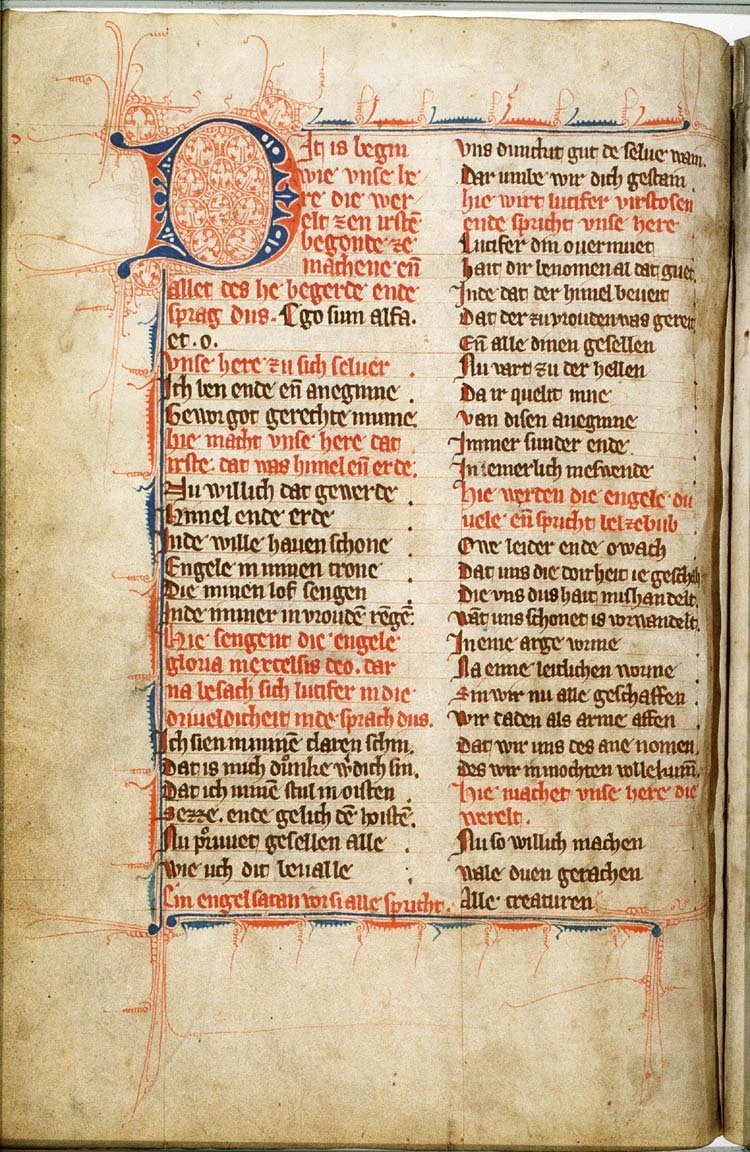
An illuminated page from the Limburg Sermons, a manuscript that also contained a Middle Dutch version of Beatrice's Seven Ways of Holy Love. The Seven Manners survives in the Brussels manuscript tradition alongside Hadewijch
Angela of Foligno (1248–1309)
The scandalized scribe
A wealthy Umbrian wife and mother who, widowed, became a Franciscan tertiary and one of the most extreme ecstatics on record. Her Memorial was dictated to her confessor and scribe, Brother Arnaldo — who was so unsettled by what he was writing that he repeatedly interrupts the text to apologize for it and to doubt his own transcription. She describes lying in the sepulcher with Christ, cheek pressed to cheek, in an embrace of overwhelming delight; elsewhere the fire of love in her was so fierce she screamed and writhed on the floor of the basilica at Assisi, to the horror of the friars.
Angela is the lineage's great teaching on the transmission problem: the experience arrives in a woman's body, and the only sanctioned channel for recording it is an embarrassed man. What survives is what he could bear to write.
Her scribe confessed he wrote "in great fear" and left out what he could not comprehend. — Memorial, Arnaldo's prologue (paraphrase)
Somatic signature: embrace, delight, screaming fire; ecstasy indistinguishable to observers from madness.
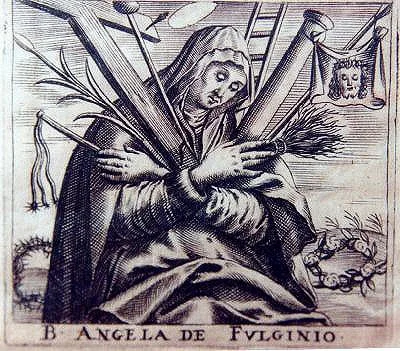
Angela of Foligno Portrait and iconography
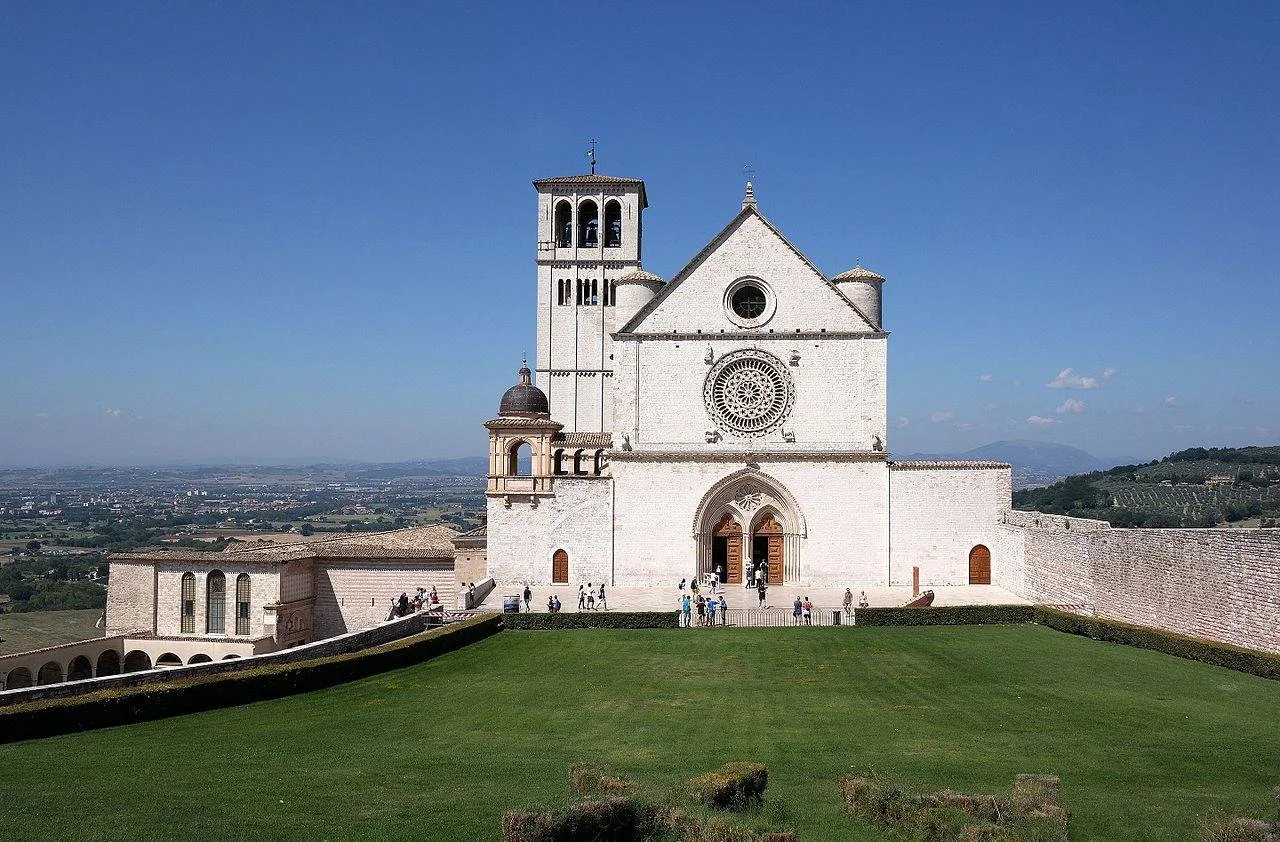
The Basilica of San Francesco, Assisi (site of the screaming episode)
Read: Angela of Foligno: Complete Works, trans. Paul Lachance (Paulist Press).
Marguerite Porete (d. 1310)
The cost of speaking
Beguine of Hainaut, author of The Mirror of Simple Souls — the theology of the soul so annihilated in Love that nothing of the self remains: beyond virtue-practice, beyond the church's mediation, the soul "swims in the sea of joy." Her book was condemned; she was ordered to stop circulating it; she refused, silently, declining even to speak to her inquisitors. She was burned at the stake in Paris on 1 June 1310. Witnesses reported the crowd wept at her composure.
The Mirror survived anonymously for six centuries — copied, translated, and read devotionally by the very church that killed her — until 1946, when Romana Guarnieri identified its author. Porete is the cautionary pole of this lineage and the explanation for everything that followed: this is why the secret got installed in women's bodies. Every "sacred secret" kept for forty years has her fire somewhere in its ancestry.
The annihilated soul "swims in the sea of joy" and feels no joy, for she is joy itself. — Mirror of Simple Souls (paraphrase of ch. 28)
Somatic signature: dissolution; the self as an obstacle that melts; fearlessness as the residue of annihilation.
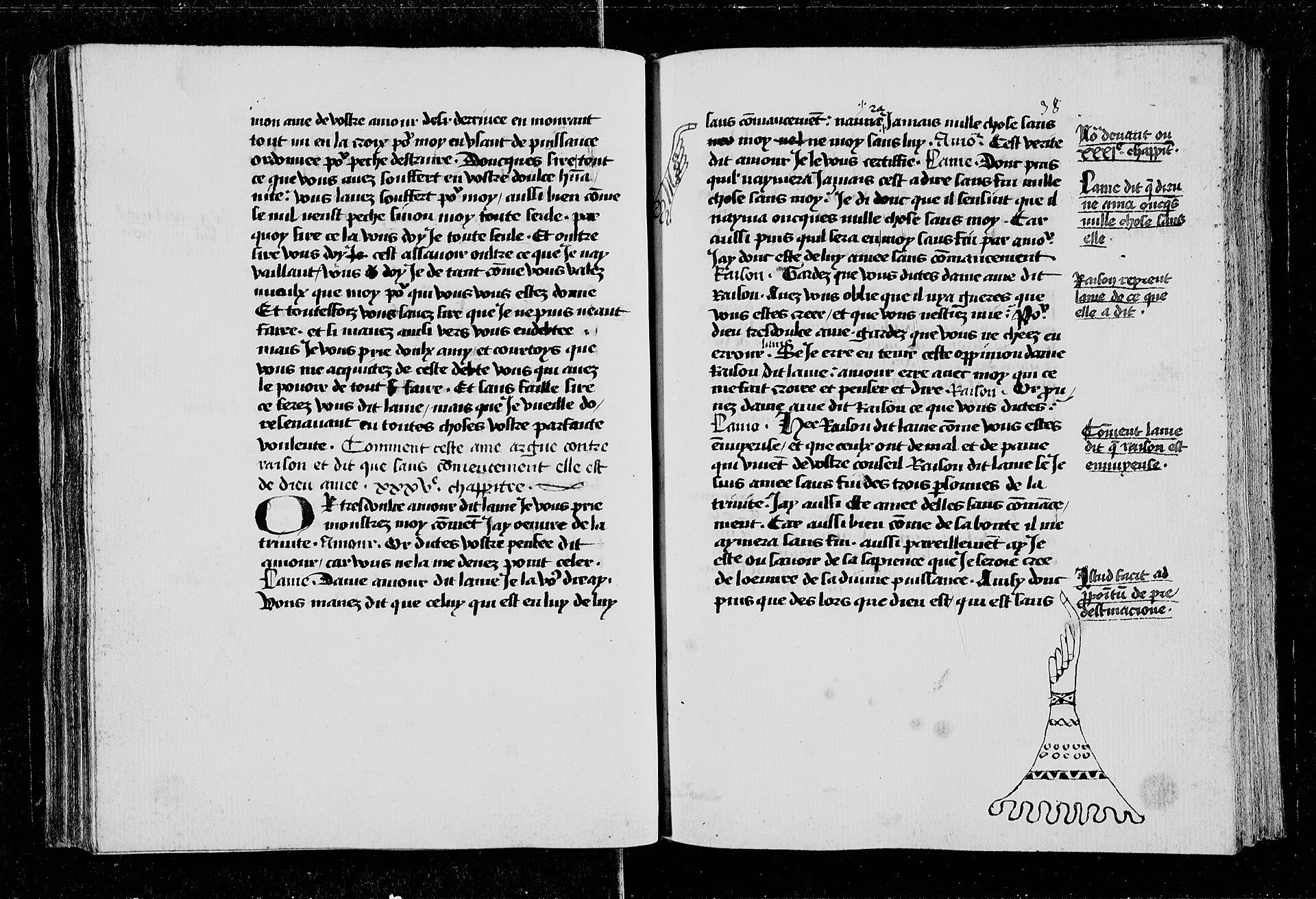
Late 15th or early 16th century French manuscript of The Mirror of Simple Souls.
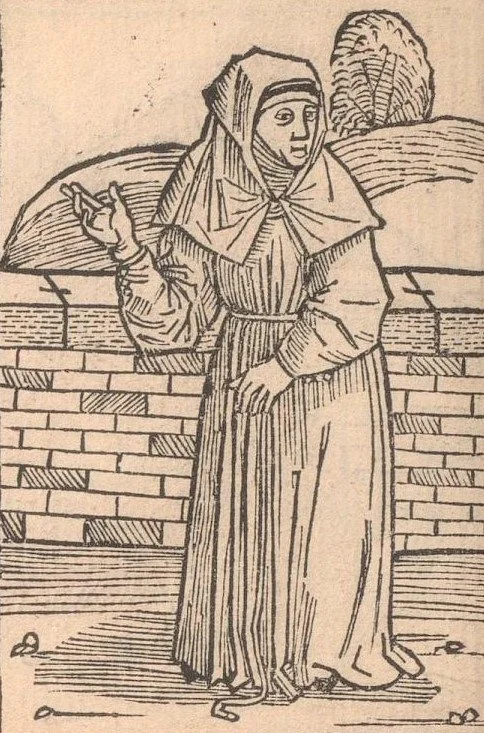
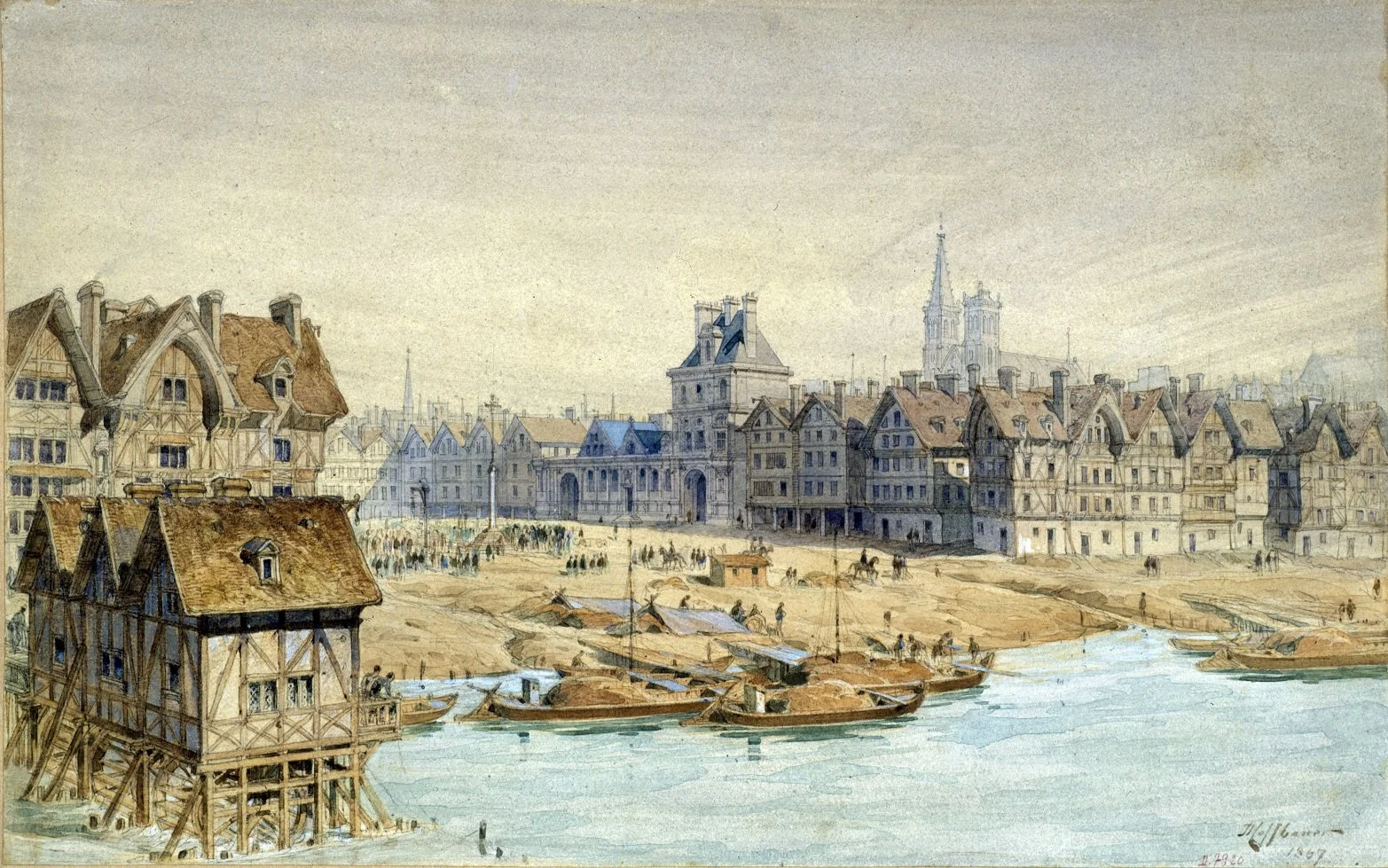
The Place de Grève, Paris (execution site, now Place de l'Hôtel-de-Ville)
Read: The Mirror of Simple Souls, trans. Ellen Babinsky (Paulist Press).
Julian of Norwich (1342–c. 1416)
The theology of no-split
Anchoress, walled by choice into a cell at St Julian's church in Norwich, author of Revelations of Divine Love — the first book in English known to be written by a woman. Julian is less erotic than the beguines but she is the lineage's theologian: she explicitly locates God in our sensuality, calling our sensuality the beautiful city in which Christ sits, and teaching that substance and sensuality together make one soul. The body is not the obstacle; it is the dwelling. She also gives us Jesus as Mother — the divine feminine articulated inside the Christian frame — and the most famous sentence of English mysticism.
"All shall be well, and all shall be well, and all manner of thing shall be well." — Revelations, ch. 27 (Warrack translation, 1901, public domain)
Somatic signature: the showings arrived during bodily crisis — she received her sixteen visions at thirty, on what she believed was her deathbed. Revelation through, not despite, the failing body.
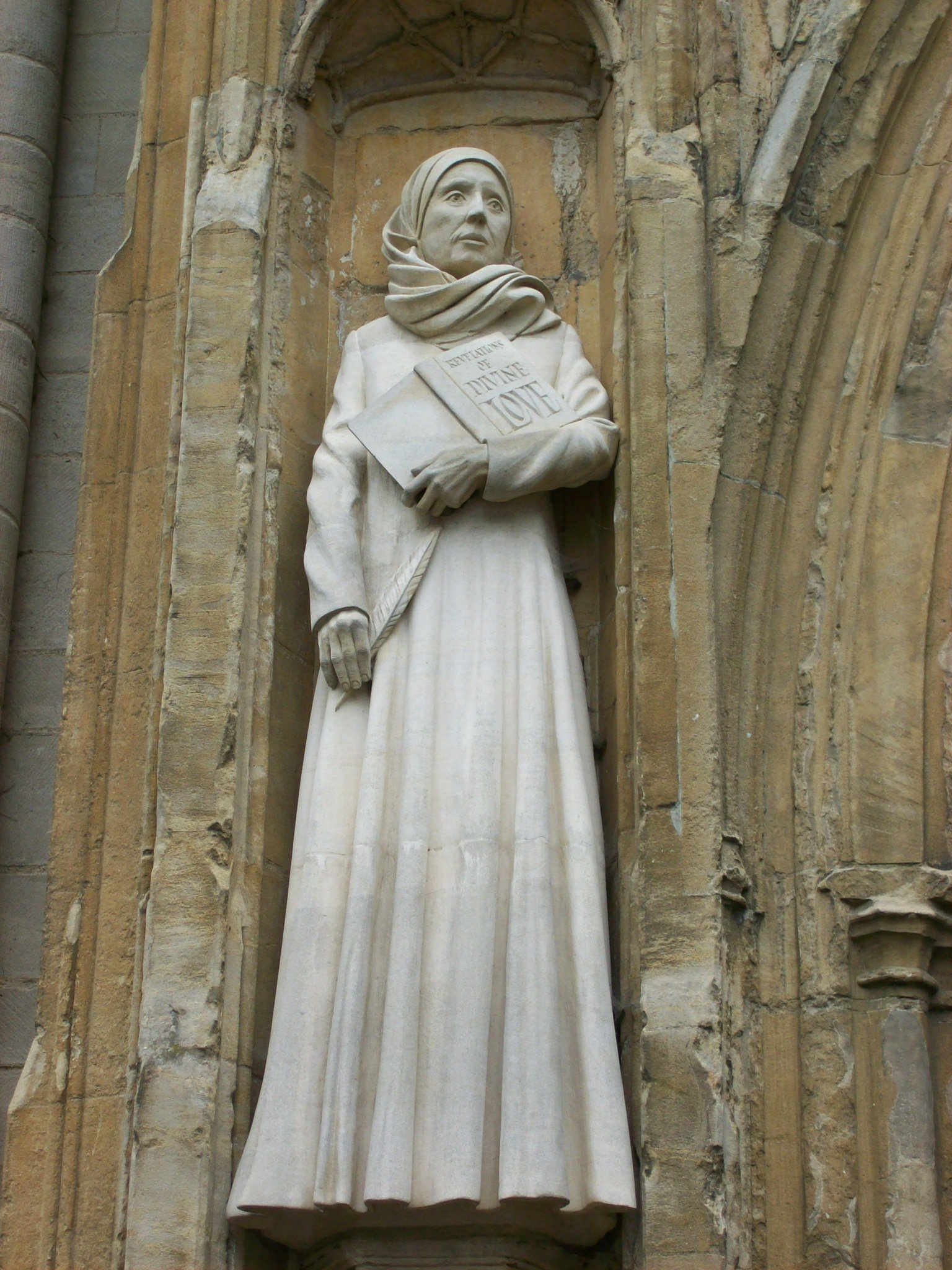
David Holgate's 2014 statue of Julian holding her book, west front of Norwich Cathedral — via Norwich Cathedral
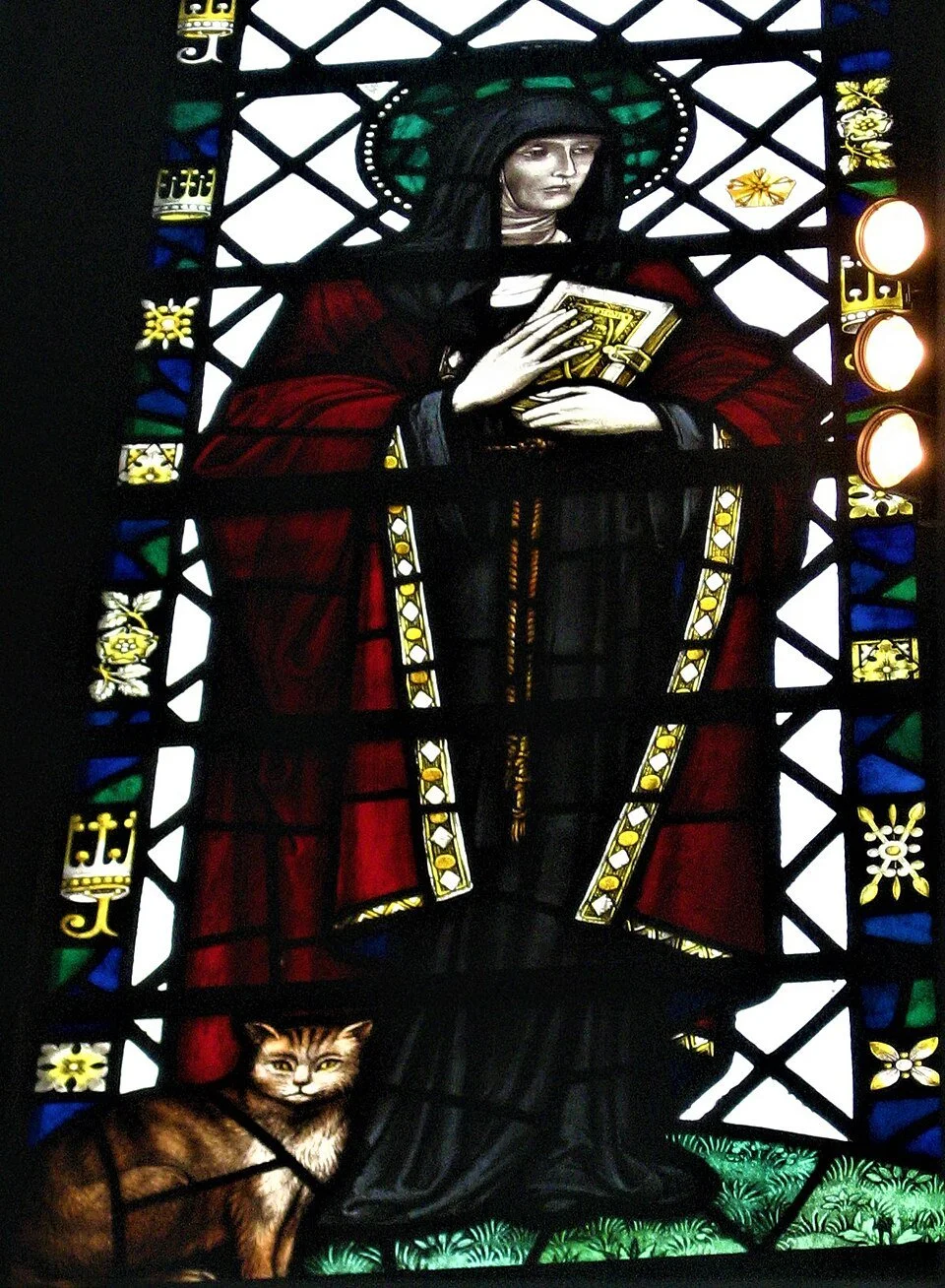
Bauchon window and rood-screen depiction

St Julian's Church, Norwich — her reconstructed cell, still a pilgrimage site
Read: Grace Warrack's 1901 translation, public domain at CCEL; Mirabai Starr's contemporary translation (Hampton Roads) for a somatic-friendly rendering.
Catherine of Siena (1347–1380)
Hunger, blood, and the mystical marriage
Dominican tertiary, political force, Doctor of the Church. Her register is the most visceral in the lineage: the mystical marriage in which Christ gives her a ring (which she said only she could see); drinking from the wound in his side; nursing imagery; ecstasies so total her body went rigid and could not be moved. Where Mechthild melts, Catherine devours and is devoured — hunger as the shape of her love.
"Be who God meant you to be and you will set the world on fire." — attributed, Letter 368 (trad. rendering)
Somatic signature: rigidity in ecstasy, stigmata (invisible, at her request), consuming and being consumed.
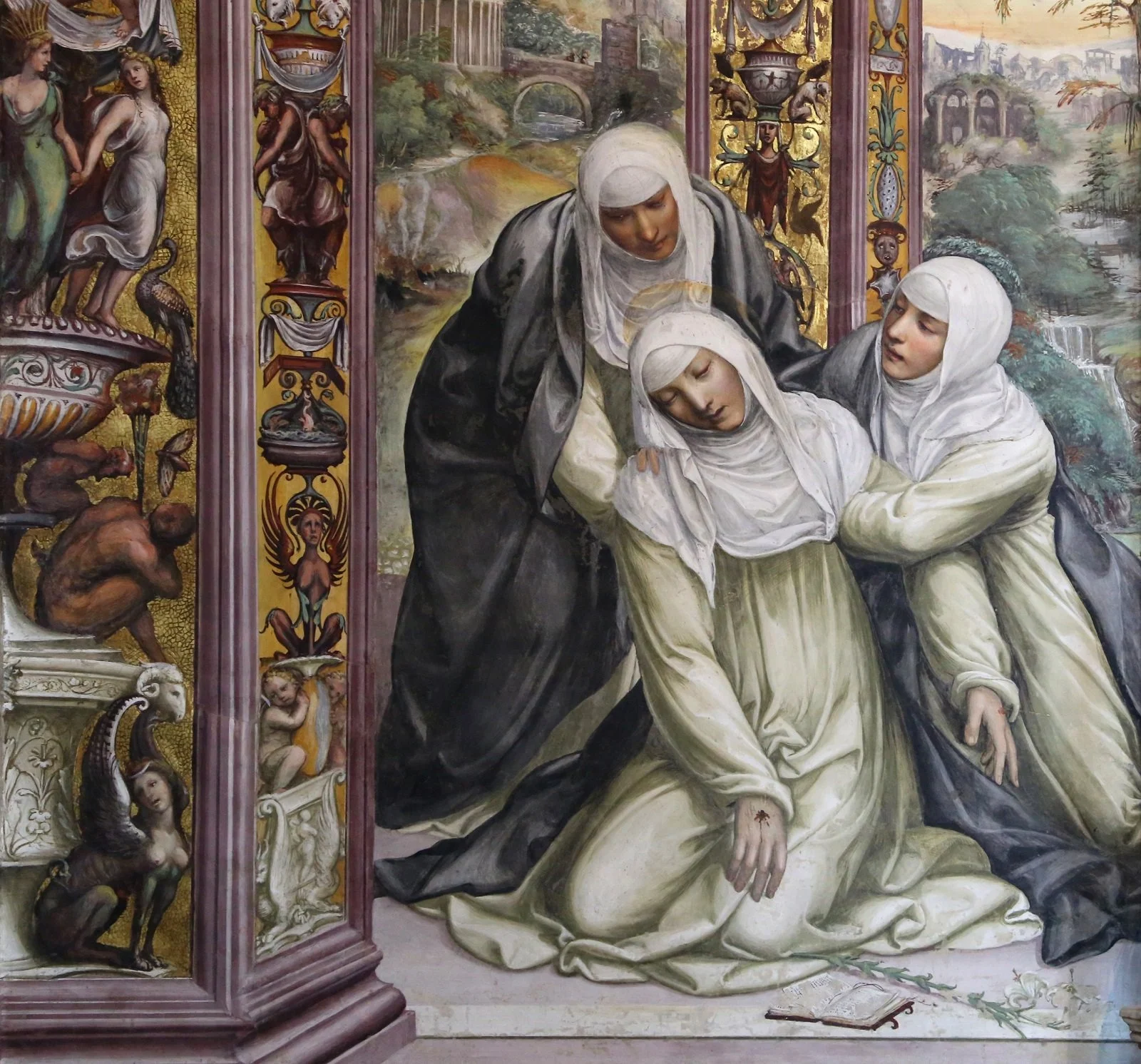
Il Sodoma, The Swooning of St Catherine (fresco, c. 1526, San Domenico, Siena) — the great pre-Bernini image of a woman's body overtaken
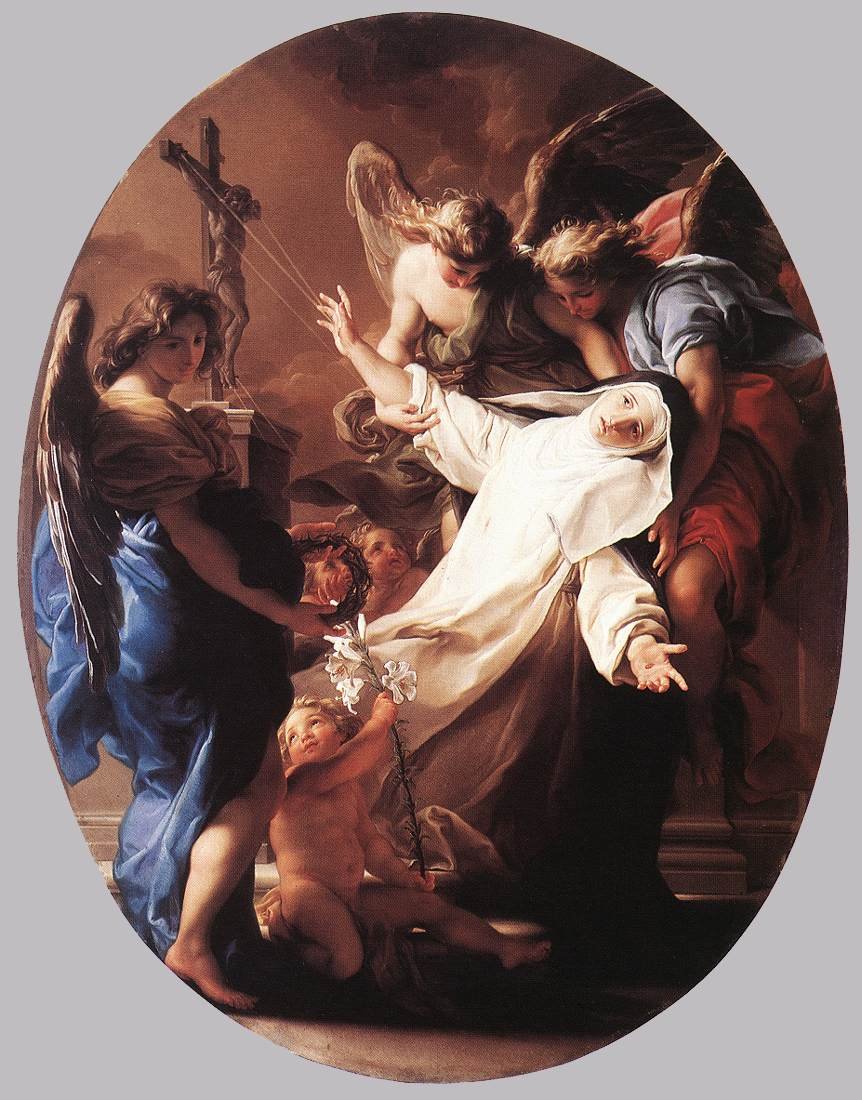
Pompeo Batoni, The Ecstasy of St Catherine of Siena (1743, Museo di Villa Guinigi, Lucca)
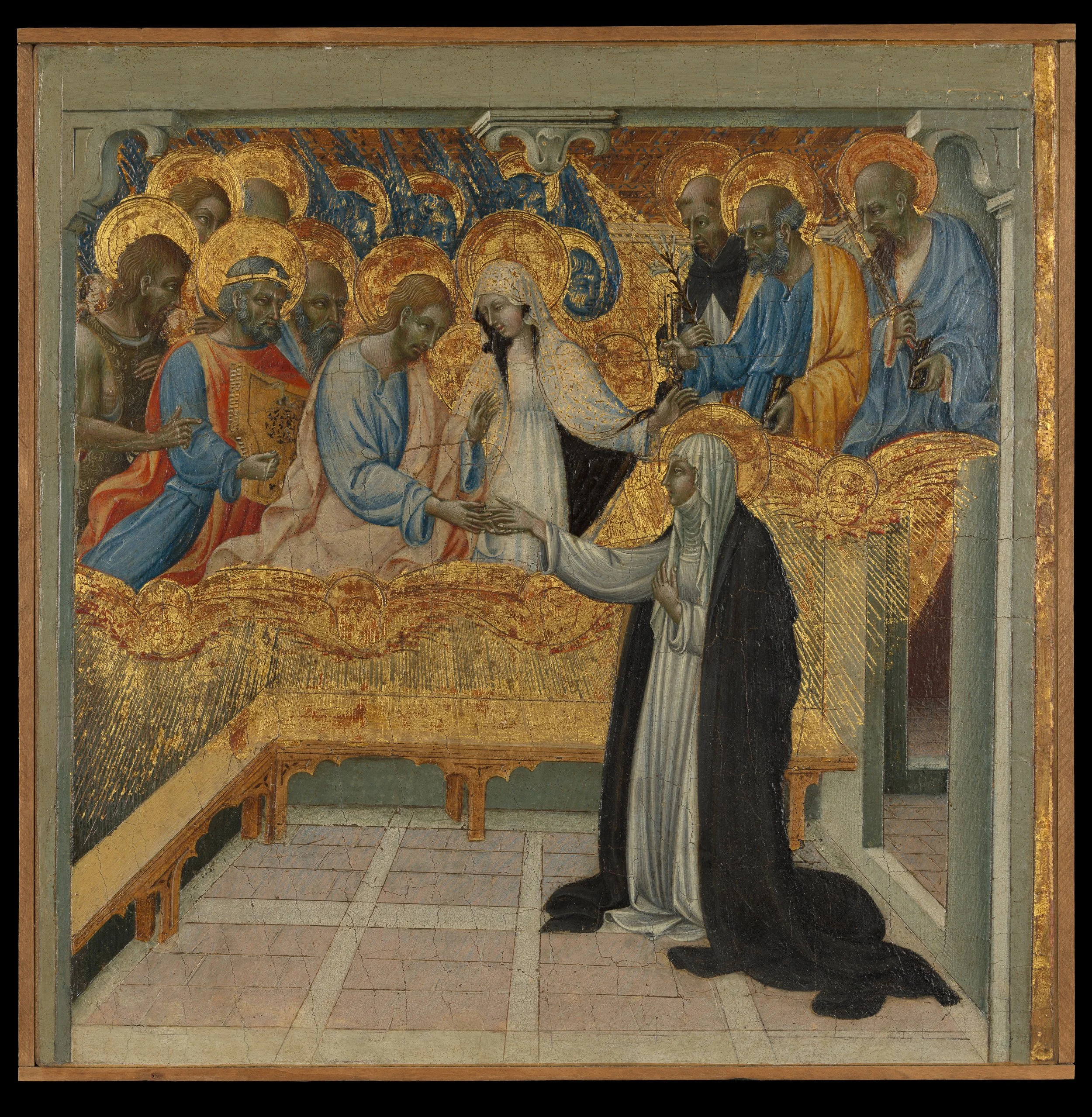
Giovanni di Paolo's mystical marriage panels (Met Museum)
Read: The Dialogue, trans. Suzanne Noffke (Paulist Press); her letters.
Teresa of Ávila (1515–1582)
The transverberation, and the man who understood
Carmelite reformer, and the mystic who gave the lineage both its most famous somatic account and its most sophisticated map. In chapter 29 of her Life, she describes the transverberation: a small, beautiful, fiery angel repeatedly piercing her heart with a golden spear tipped with fire, drawing out her entrails with it, leaving her moaning — and her insistence, remarkable for 1565, that the pain was so sweet she could not wish it away, and that the body has a large share in it. She refused to spiritualize her own physiology.
"So surpassing was the sweetness of this excessive pain that I could not wish to be rid of it." — Life, ch. 29 (Lewis translation, 1870, public domain)
Her Interior Castle then maps the stages of union — seven mansions, from the outer courtyards to the innermost chamber — the most useful framework in the Western canon for anyone who has had the experiences for decades without a vocabulary. She also describes the four waters (degrees of prayer) and, crucially, distinguishes consolations the psyche manufactures from the union that arrives unbidden — the same discernment every energy practitioner eventually needs.
Somatic signature: piercing, moaning, levitation (which embarrassed her — she asked the sisters to hold her down), the wound of love.
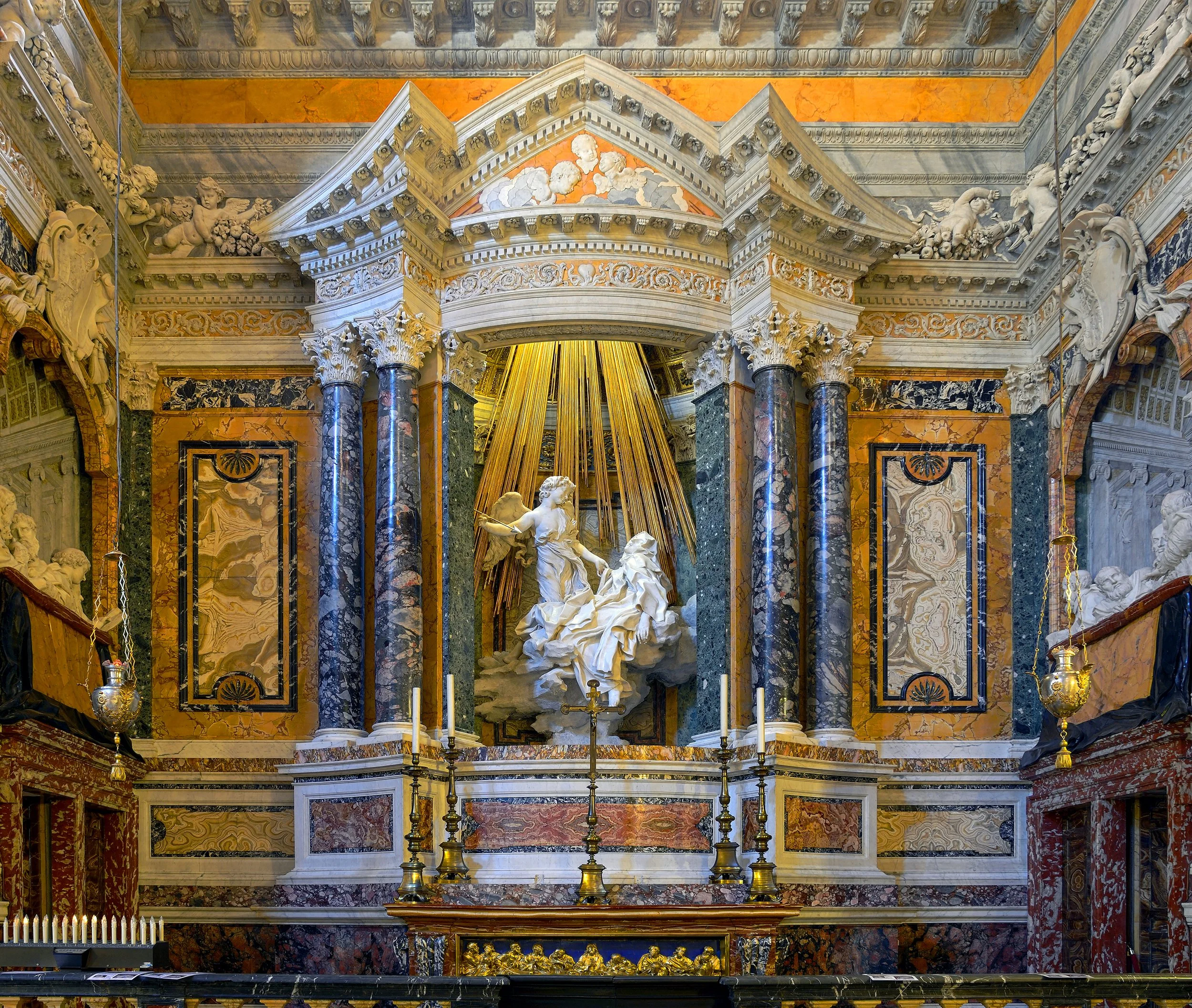
Gian Lorenzo Bernini, The Ecstasy of Saint Teresa (1647–52), Cornaro Chapel, Santa Maria della Vittoria, Rome

Bernini read her accurately: her head thrown back, mouth parted, eyes half-closed, hand and foot in spasm. A woman in ecstasy, in marble, on an altar, lit by a hidden window. Context at the Wikipedia article
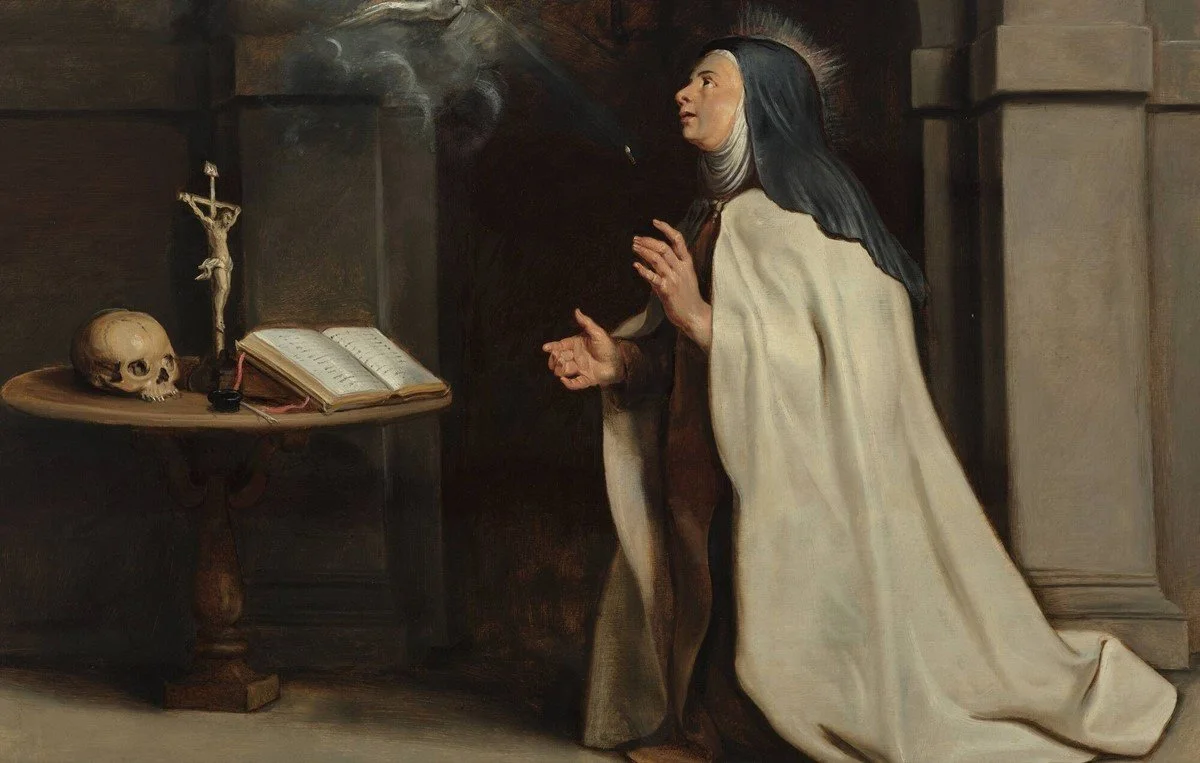
Peter Paul Rubens, Teresa of Ávila (c. 1615, Kunsthistorisches Museum, Vienna)

Bernini's terracotta model, Hermitage Museum (his fingerprints still visible)
Reading the Lineage Whole
The phenomenology repeats. Heat, waves, contraction, arching, trembling, liquid light, the sense of a current the body can barely hold. Beatrice's bursting veins, Hadewijch's trembling heart, Teresa's sweet piercing and Hildegard's fiery life: these are one experience in five vocabularies. It is the same phenomenology reported in kundalini traditions, and the same waves our practitioners describe in circle today.
The theology they built from it is Tantric in structure. Julian's God-in-our-sensuality, Hildegard's viriditas saturating creation, Mechthild's flowing light — each arrived independently at immanence: the divine not elsewhere but here, in the cell, in the sap, in the sensation. What Kashmir Shaivism holds as doctrine (Shakti as the substance of manifestation, the body as the instrument of divine self-experience) these women reconstructed from raw experience inside a tradition explicitly built to deny it.
The bottleneck was always the speaking. Hildegard needed papal authentication. Mechthild needed a Dominican protector and died in hiding at Helfta. Angela's scribe censored what he couldn't bear. Porete spoke plainly and burned. Teresa wrote under Inquisition scrutiny, with careful disclaimers. The experience was never the problem; transmission was the problem — and the solution, when there was one, was almost always community: Helfta, the beguinages, the Carmels. Women holding a container in which the unspeakable could be spoken.
That is the inheritance, and the assignment. The waves are ancient and trustworthy. What was missing for eight hundred years was not the experience but the safe circle. Now we have that too.
Companion Reading
Carol Lee Flinders, Enduring Grace: Living Portraits of Seven Women Mystics — the warmest single entry point (Mechthild, Hadewijch, Julian, Catherine, Teresa, and more)
Evelyn Underhill, Mysticism (1911) — public domain; the classic map of the unitive path, at CCEL
Bernard McGinn, The Flowering of Mysticism: Men and Women in the New Mysticism, 1200–1350 — the scholarly deep dive on the beguine current
Barbara Newman, Sister of Wisdom: St. Hildegard's Theology of the Feminine — including the Causae et Curae material
Oliver Davies (trans.), Beguine Spirituality — Mechthild, Beatrice, and Hadewijch in one volume
Mirabai Starr's translations of Julian and Teresa — the bridge voice between this lineage and contemporary contemplative practice
Note on quotations: medieval originals are public domain; several beloved English renderings (Hart's Hadewijch, Tobin's Mechthild, Lachance's Angela) remain in copyright, so passages from those are paraphrased above — pull the full texts from the linked editions for publication-length excerpts. The Lewis (Teresa, 1870) and Warrack (Julian, 1901) translations are public domain and quotable at any length.
